Subheadline: As U.S.-Iran tensions deepen, Washington is weighing new military options that could include strikes on nuclear and energy facilities, while a growing U.S. military presence raises fears of another major escalation.
The possibility of another major U.S. strike on Iran is back in focus as President Donald Trump weighs further military action and the Pentagon prepares for multiple scenarios amid the unresolved conflict.
Reports in recent months have indicated that U.S. Central Command has developed options for additional strikes against Iran, including potential attacks on energy infrastructure and nuclear-related sites. The precise scope of any future operation remains unclear, and there is no public confirmation that Washington has decided to launch another large-scale assault.
The uncertainty is especially significant because the United States has already demonstrated its ability to attack some of Iran’s most heavily fortified nuclear facilities.
The Bunker-Buster Question
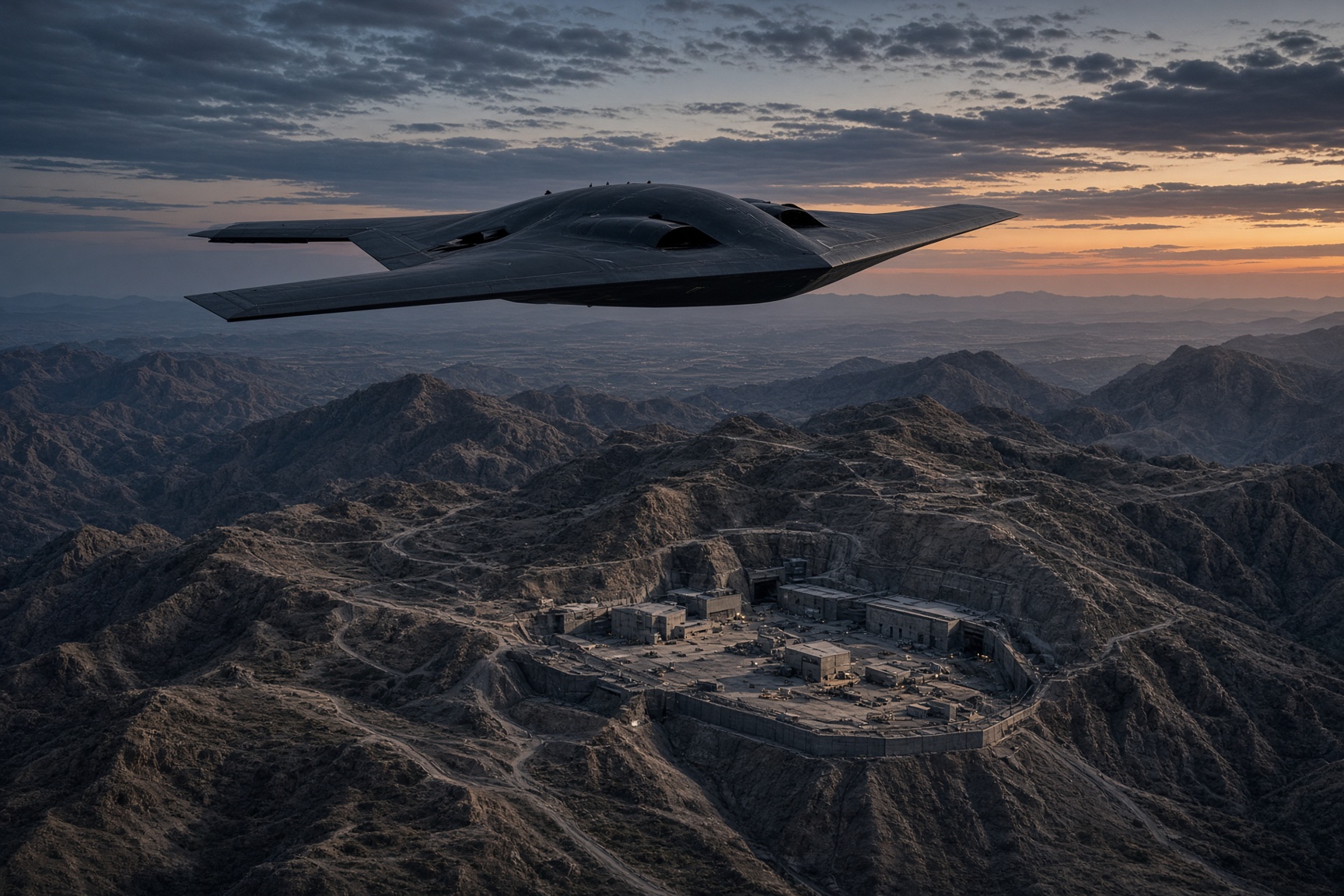
During the U.S. Operation Midnight Hammer in June 2025, American B-2 stealth bombers used the GBU-57 Massive Ordnance Penetrator, a 30,000-pound bunker-buster weapon designed to strike deeply buried and hardened targets.
The Pentagon said 14 GBU-57 bombs were used during that operation, including strikes against Iran’s Fordow and Natanz nuclear facilities. Fordow, built deep inside a mountain, was considered one of the most difficult targets in Iran’s nuclear infrastructure.
That history has fueled speculation about whether similar weapons could be used in another campaign.
However, there is no verified public announcement that the United States plans to use GBU-57 bombs in a new strike. Any future operation would depend on the targets selected, intelligence assessments, available forces and the administration’s broader military and diplomatic objectives.
Why Nuclear Sites Remain a Central Issue
Iran’s nuclear program remains at the heart of the confrontation.
A Reuters assessment published October 7, 2026, said Iran’s uranium-enrichment program remains under intense scrutiny after earlier U.S. and Israeli attacks severely damaged three known nuclear facilities. The International Atomic Energy Agency had previously estimated that Iran possessed 440.9 kilograms of uranium enriched to 60% purity before the strikes—material that could potentially be further enriched to weapons-grade levels.
The exact status of Iran’s remaining nuclear material and equipment is still uncertain. Reuters reported that Iran has not fully disclosed how much enriched uranium remains or allowed international inspectors to return to the damaged sites.
That uncertainty is one reason the nuclear issue continues to dominate U.S. demands.
In an interview with Reuters on October 6, Vice President JD Vance said Iran would need to make significant reductions to its enrichment capacity for the war to end. He argued that Washington wants concrete commitments concerning Iran’s nuclear stockpile and enrichment activities.
Iran, meanwhile, has continued to reject key U.S. demands and insists on its right to pursue nuclear activity for peaceful purposes.
Energy Sites Could Become Another Flashpoint
A renewed campaign could also carry a major economic dimension.
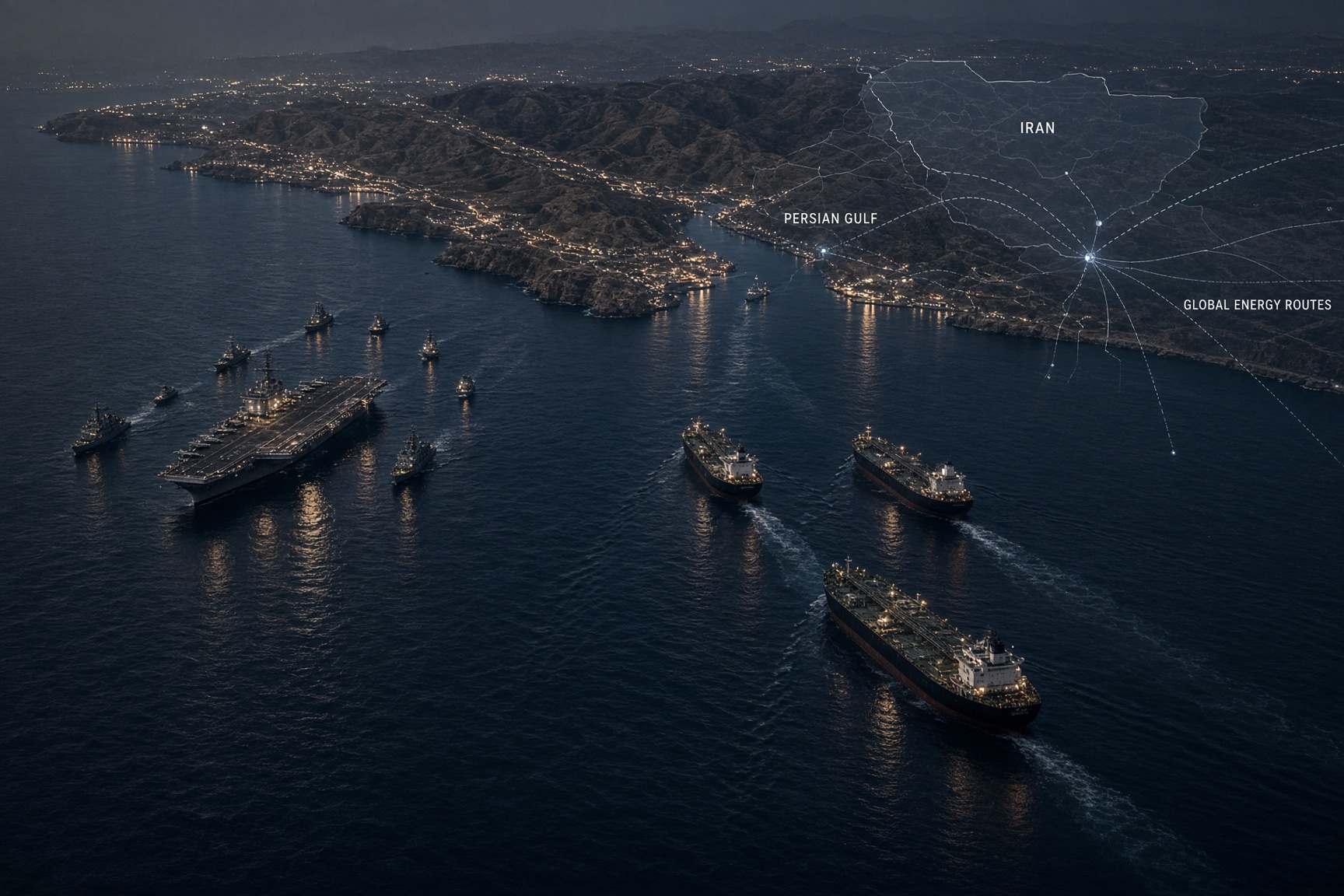
CNN reported in late July that U.S. military planners were preparing for scenarios that included strikes on Iranian energy facilities, alongside possible attacks on missile and nuclear sites. The report emphasized that the exact targets and scope of any operation were not yet clear.
Any attack on Iran’s energy infrastructure could immediately send shock waves through global markets.
The Strait of Hormuz, through which roughly a fifth of global oil shipments have historically passed, has already become a major pressure point in the conflict. Reuters reported on October 7 that attacks, attempted attacks and other incidents involving tankers in the strait reached their highest weekly level since the war began, with at least 12 incidents recorded between September 28 and October 5.
Oil prices were already elevated as the security situation worsened. On October 8, Reuters reported Brent crude above $102 a barrel amid renewed concerns about Middle East supply disruptions.
That means a new attack on Iranian energy infrastructure could have consequences well beyond the battlefield, affecting shipping, fuel prices and the wider global economy.
U.S. Military Presence Is Growing
At the same time, the United States is increasing its military presence in the region.
The Pentagon has confirmed ongoing combat operations against Iranian military targets, while the U.S. military has maintained a substantial regional deployment. In July, the Department of War said more than 50,000 U.S. service members were operating across the Middle East.
More recently, the Associated Press reported that Washington was sending roughly 9,000 additional troops and a third aircraft carrier toward the Middle East. The buildup could raise the number of U.S. personnel in the region to more than 20,000 by late October, depending on deployments.
That movement does not automatically mean a major new bombing campaign is imminent. But it gives U.S. commanders more options should the administration decide to escalate.
Diplomacy and Military Pressure Collide
The central question now is whether military preparations are intended to support diplomacy or replace it.
Washington continues to demand major changes to Iran’s nuclear program, while Tehran has warned that renewed U.S. attacks would trigger a stronger response. Reuters reported on October 1 that Iranian commanders were preparing for broader retaliation in the event of renewed large-scale American strikes.
The stakes are therefore much larger than one potential bombing operation.
A new round of strikes on nuclear facilities could intensify the nuclear confrontation. Attacks on energy infrastructure could further disrupt oil markets. And a broader campaign could increase the risk of retaliation against American forces, allies and commercial shipping.
For now, the United States has not publicly confirmed that another bunker-buster attack on Iran is coming.
But with military forces moving into position, nuclear negotiations under strain and energy security becoming increasingly vulnerable, the possibility of another major escalation is once again hanging over the Middle East.
The next move from Washington could determine whether the current standoff remains limited—or develops into a significantly wider conflict.