Subheadline: Thousands gathered in Paris as France’s student protest movement entered its third week, with police deploying tear gas and water cannons during confrontations. Demonstrators are demanding better school facilities, more teachers and increased education funding.
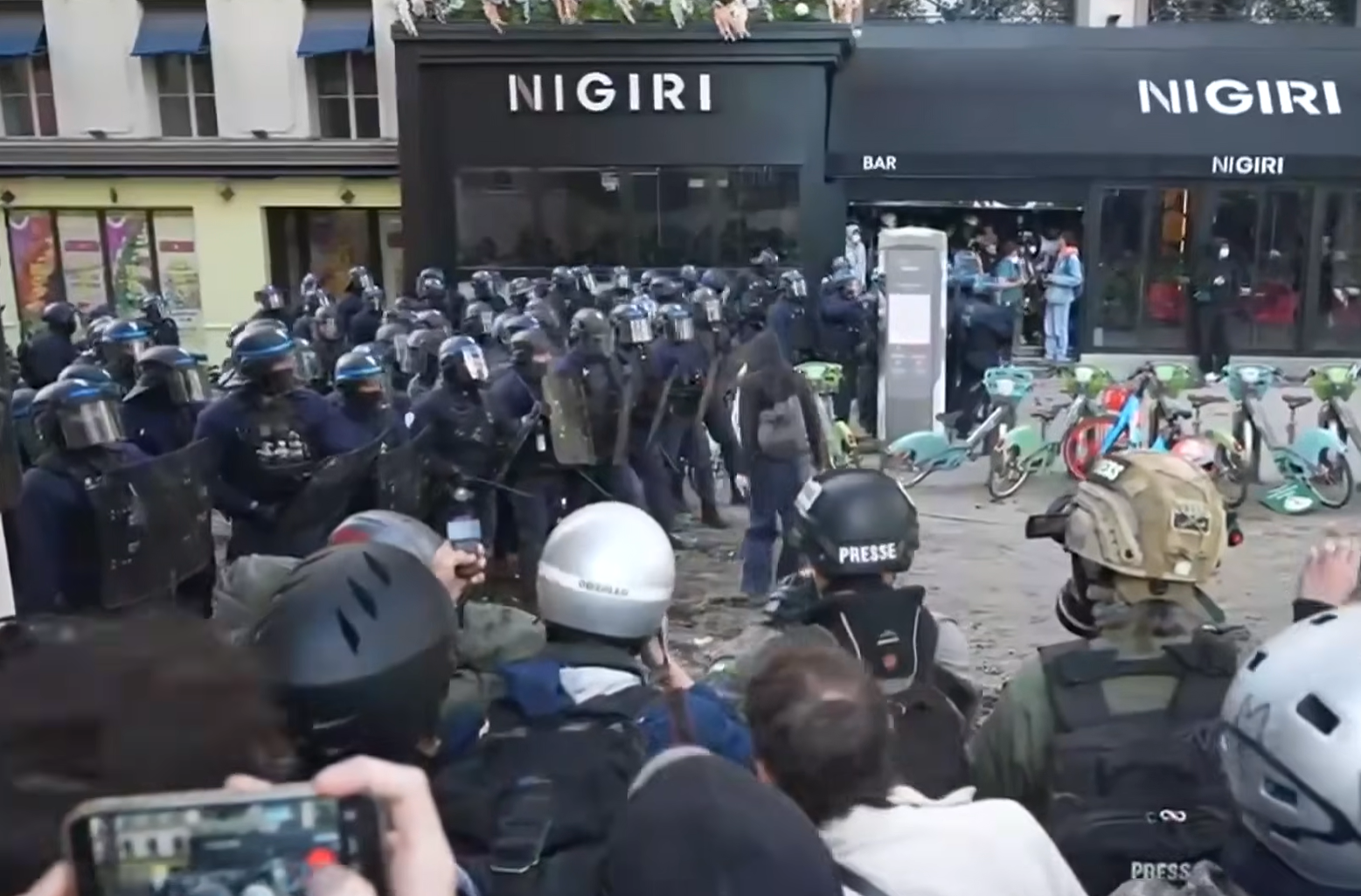
PARIS, France — October 9, 2026 — Tensions escalated in the French capital after riot police charged groups of student protesters and cleared parts of Place de la Bastille, using tear gas and water cannons as demonstrations over worsening school conditions continued to spread across France.
The confrontations unfolded on Thursday, October 8, during another nationwide day of student mobilization. Earlier, protesters had barricaded Hélène Boucher High School in northeastern Paris, prompting police to move in and disperse the gathering with tear gas. Later, clashes developed around Bastille as officers attempted to clear crowded streets and respond to projectiles thrown by some demonstrators. (Associated Press; Le Monde)
The unrest is part of a broader movement that has disrupted schools, drawn thousands of protesters into the streets and placed growing pressure on the French government.
According to France’s Interior Ministry, 71,500 people participated in demonstrations nationwide on October 8, including 24,500 in Paris. Although the main Paris demonstration was largely peaceful, confrontations involving smaller groups occurred later in the evening. (Reuters)
School Blockades Put Paris on Edge
The protests have spread from school entrances to major gathering points throughout Paris, with students using barricades, marches and classroom boycotts to draw attention to their demands.
At Hélène Boucher High School, demonstrators used garbage bins to block access before police entered the area. During the afternoon and evening, Place de la Bastille became another flashpoint as thousands gathered and police deployed additional crowd-control measures.
French newspaper Le Monde reported that officers charged into the center of Bastille and pushed protesters away from the square. Water cannons and tear gas were used as the situation deteriorated, while some demonstrators struggled to leave crowded areas surrounded by police lines. (Le Monde)
The demonstrations have caused significant disruption, but reports do not indicate that the entire city of Paris has been shut down. Instead, school blockades and localized clashes have affected particular neighborhoods, educational institutions and gathering points.
The movement has also exposed disagreements over police tactics, particularly following reports of serious injuries among young demonstrators during earlier confrontations.
What Is Driving the Student Protests?
At the heart of the unrest is growing frustration over teacher shortages, overcrowded classrooms and deteriorating school buildings.
Students have described classrooms that are difficult to use comfortably, inadequate facilities and schedules that leave little time for rest or extracurricular activities. Some schools also struggle to provide consistent teaching because of staffing shortages.
Protesters argue that these conditions undermine educational opportunities and disproportionately affect students attending schools with limited resources.
Some student groups are demanding €10 billion in additional investment in public education, including money for building repairs, better staffing and improved learning conditions. They have criticized the government’s response as insufficient and say that promises of future action will not resolve long-standing problems.
The movement has attracted support from teachers, parents and labor organizations, transforming what began as school-based demonstrations into a wider debate about France’s public services and spending priorities. (Reuters)
Police Tactics Face Growing Scrutiny
The use of force has become one of the most contentious aspects of the demonstrations.
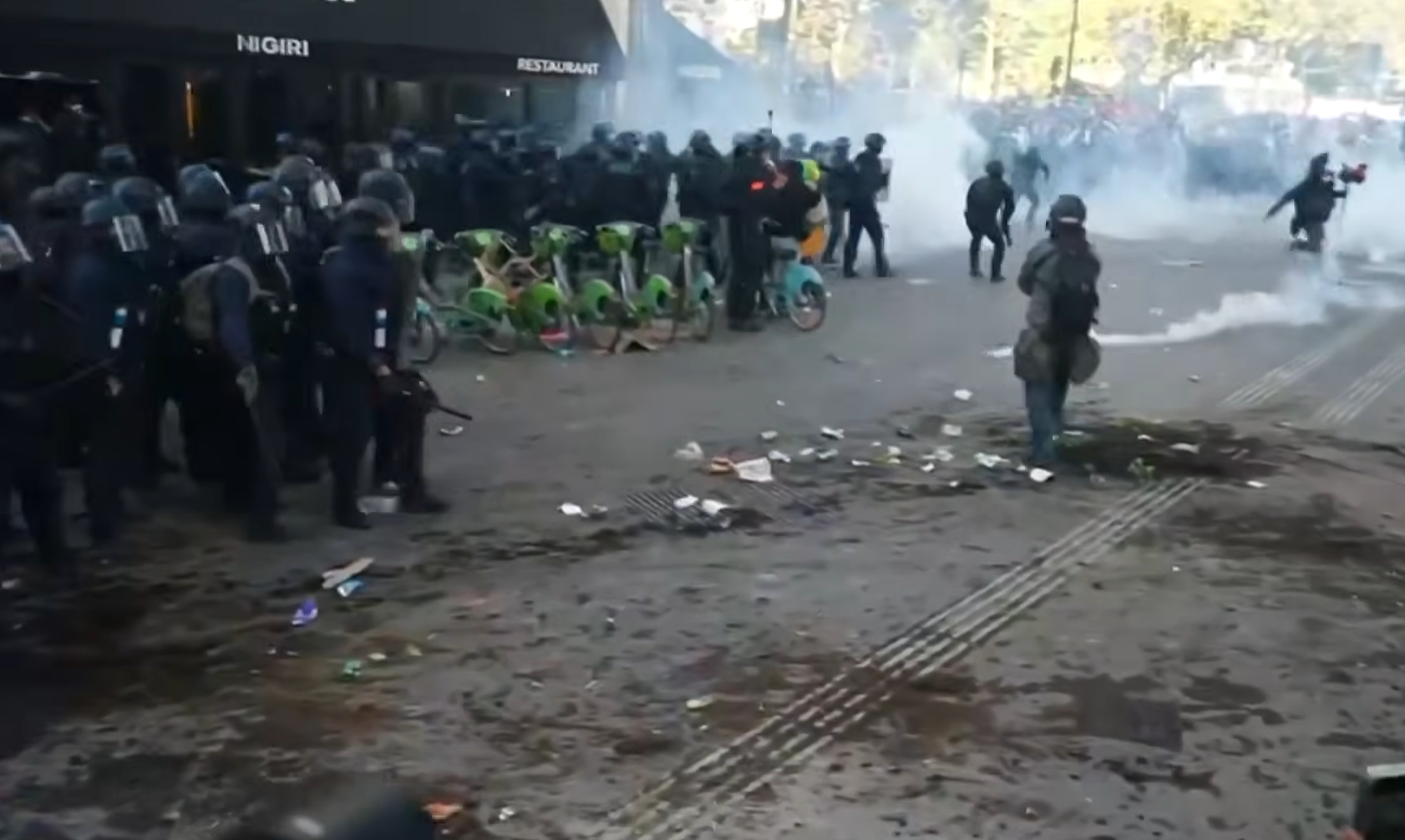
Over the past two weeks, French riot police have used batons, tear gas and other crowd-control equipment during some confrontations. Accounts of injuries involving teenagers have triggered criticism from student groups and civil-rights advocates.
On Wednesday, the government suspended police use of stun grenades during the protests after a teenager suffered a severe hand injury. Authorities have defended the need to maintain public order while facing questions about whether some police responses have been proportionate. (The Guardian)
The Interior Ministry has also reported incidents involving vandalism and attacks on public institutions. Officials argue that violent actions by some participants cannot be treated as an acceptable part of peaceful protest.
Student organizers, however, maintain that the movement’s central demands concern education and that police conduct should not distract from the conditions that prompted the demonstrations.
The competing positions have made it increasingly difficult for authorities to calm the situation without provoking further anger.
Government Promises More Teachers and Funding
The French government has begun outlining measures intended to address some of the students’ concerns.
Education Minister Édouard Geffray announced plans to deploy 3,000 substitute teachers to approximately 100 high schools facing particularly serious staffing shortages, with additional recruitment also planned.
Prime Minister Sébastien Lecornu has promised proposals to address student demands through amendments to the 2027 budget, particularly concerning teacher replacements. However, officials have not committed to every demand raised by demonstrators. (The Guardian)
Student leaders have dismissed the announcements as too vague, arguing that the government must provide concrete commitments and sufficient funding rather than general assurances.
Organizers have called for another national day of demonstrations on Tuesday, October 13, suggesting that pressure on the government could continue into next week.
France Faces a Difficult Road Ahead
The student protests have become a significant challenge for a government already struggling to balance demands for better public services against pressure to control public spending.
A poll by Elabe for French broadcaster BFM TV found that 72% of respondents considered the students’ demands legitimate, while 55% believed the demonstrations should stop. The results suggest that many people sympathize with the underlying concerns even as the disruption creates frustration. (Reuters)
For now, the immediate challenge is preventing further confrontations while finding a credible response to the problems raised by students.
The next round of protests on October 13 could become an important test of whether the government’s promised measures are enough to restore calm. Until then, school blockades, police scrutiny and demands for education reform are likely to remain central to France’s political debate.