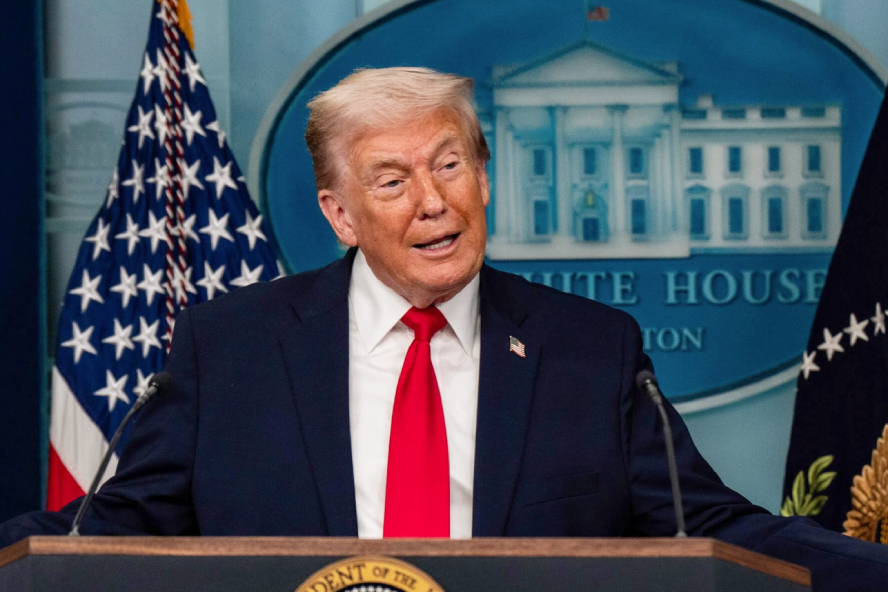
WASHINGTON, D.C. — President Donald Trump has announced a one-time $90 payment for more than 20 million eligible Medicare beneficiaries, offering some older Americans financial relief as healthcare affordability becomes a major issue ahead of the November 3 midterm elections.
Announced on October 2, the payment is intended to help eligible seniors cover their Medicare Part B premiums. The White House says most recipients will receive the money through direct deposit in early October, while others will receive checks by mail.
However, the announcement comes with important eligibility restrictions. Not every American senior enrolled in Medicare will qualify, and the payment is not a permanent reduction in monthly insurance premiums.
Who Is Eligible for the $90 Payment?
According to the Centers for Medicare & Medicaid Services (CMS), the payment is intended for approximately 20.8 million Americans enrolled in Original Medicare Part B who meet the eligibility requirements.
Beneficiaries must live in the United States and must not receive Medicaid assistance for their premiums or pay an income-related monthly adjustment amount. People enrolled in Medicare Advantage are also excluded from the payment.
That means millions of older Americans will not receive the money, despite being enrolled in Medicare.
Seniors who are uncertain about their eligibility can contact Medicare directly at 1-800-633-4227. Those seeking information about payment delivery can contact the Social Security Administration at 1-800-772-1213, beginning October 15, according to CMS.
The administration says most eligible recipients will receive their payments around October 8, with some paper checks arriving later in October.
How Much Will the Payment Actually Cover?
The $90 payment may provide some short-term assistance, but it will not cover an entire month of standard Medicare Part B premiums.
According to CMS, the standard monthly Part B premium in 2026 is $202.90, up from $185 in 2025. The annual Part B deductible is $283.
At $90, the one-time payment represents less than half of one standard monthly premium. It is designed to offset October costs rather than eliminate the ongoing financial burden of healthcare.
For seniors living on fixed incomes, even a modest payment can help cover prescription expenses, groceries, transportation, or other household bills. However, the longer-term effect will depend on each person’s healthcare expenses and financial circumstances.
Where Is the Money Coming From?
The White House says the payments will be funded through the Medicare Improvement Fund, which Congress established in 2008 to support improvements to the Medicare fee-for-service program.
The administration describes the initiative as a way to return healthcare funds directly to eligible beneficiaries.
The announcement has also raised questions about how the fund is being used. Previous administrations did not use it to make this type of direct payment to beneficiaries, although Congress has previously redirected money from the fund to other spending priorities.
The administration’s announcement explains its rationale for the payments, but the program’s broader financial implications deserve continued scrutiny.
Why Is the Announcement Politically Significant?
The timing places the payment in the middle of a heated political debate over the cost of living.
The November 3 midterm elections will determine control of Congress, where Republicans currently hold narrow majorities in both chambers. Healthcare costs, inflation, and household affordability are important concerns for voters, particularly older Americans who rely on fixed retirement incomes.
Trump’s $90 Medicare announcement follows other financial proposals and payment initiatives, including a separate $500 payment program for certain Affordable Care Act policyholders.
He has also proposed sending $5,000 to American adults if Republicans retain control of Congress, a separate proposal that would require congressional approval and has prompted questions about its cost and feasibility.
The Medicare payment is different: the administration has announced a specific one-time benefit with defined eligibility rules. It should not be confused with the broader $5,000 proposal or the separate Affordable Care Act payments.
The proximity to the election makes the announcement politically consequential, but its timing alone does not establish that the payment is an attempt to influence voters.
What Seniors Should Know Before Expecting a Check
Eligible beneficiaries should review the official CMS guidance rather than assume that every Medicare enrollee qualifies.
The payment is a single $90 rebate, not a monthly benefit, and it does not permanently lower the standard Part B premium. Seniors who receive Medicaid premium assistance, pay income-related premium adjustments, or use Medicare Advantage are excluded under the published eligibility rules.
Beneficiaries should also be cautious about unsolicited calls, texts, or emails claiming that a fee is required to unlock the payment. They should use official Medicare and Social Security contact channels to verify eligibility and payment status.
The Bottom Line
Trump’s $90 Medicare payment could provide a modest, one-time financial boost to millions of eligible beneficiaries ahead of the 2026 midterm elections. But the benefit is limited, eligibility is restricted, and ongoing Medicare premiums remain a much larger expense.
For seniors, the most important next step is to confirm eligibility through official government channels and understand exactly what the payment covers. For voters, the announcement adds another dimension to the national debate over healthcare affordability, government spending, and economic policy.