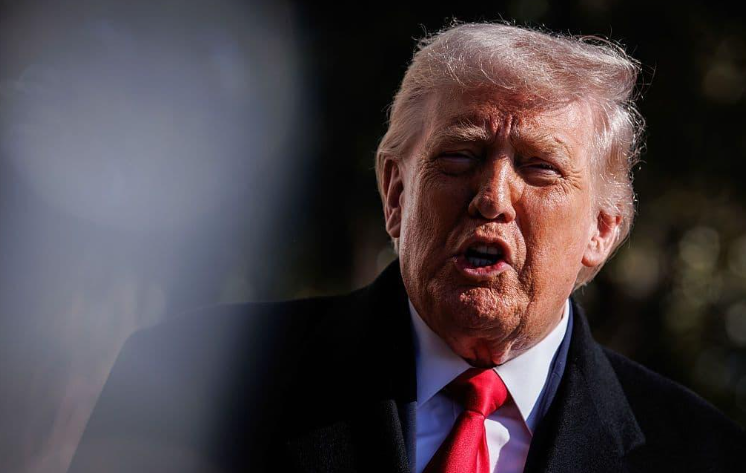
WASHINGTON — President Donald Trump is refusing to rule out further military action against Iran as a fresh round of U.S. strikes and Iranian retaliation raises fears of a wider Middle East conflict.
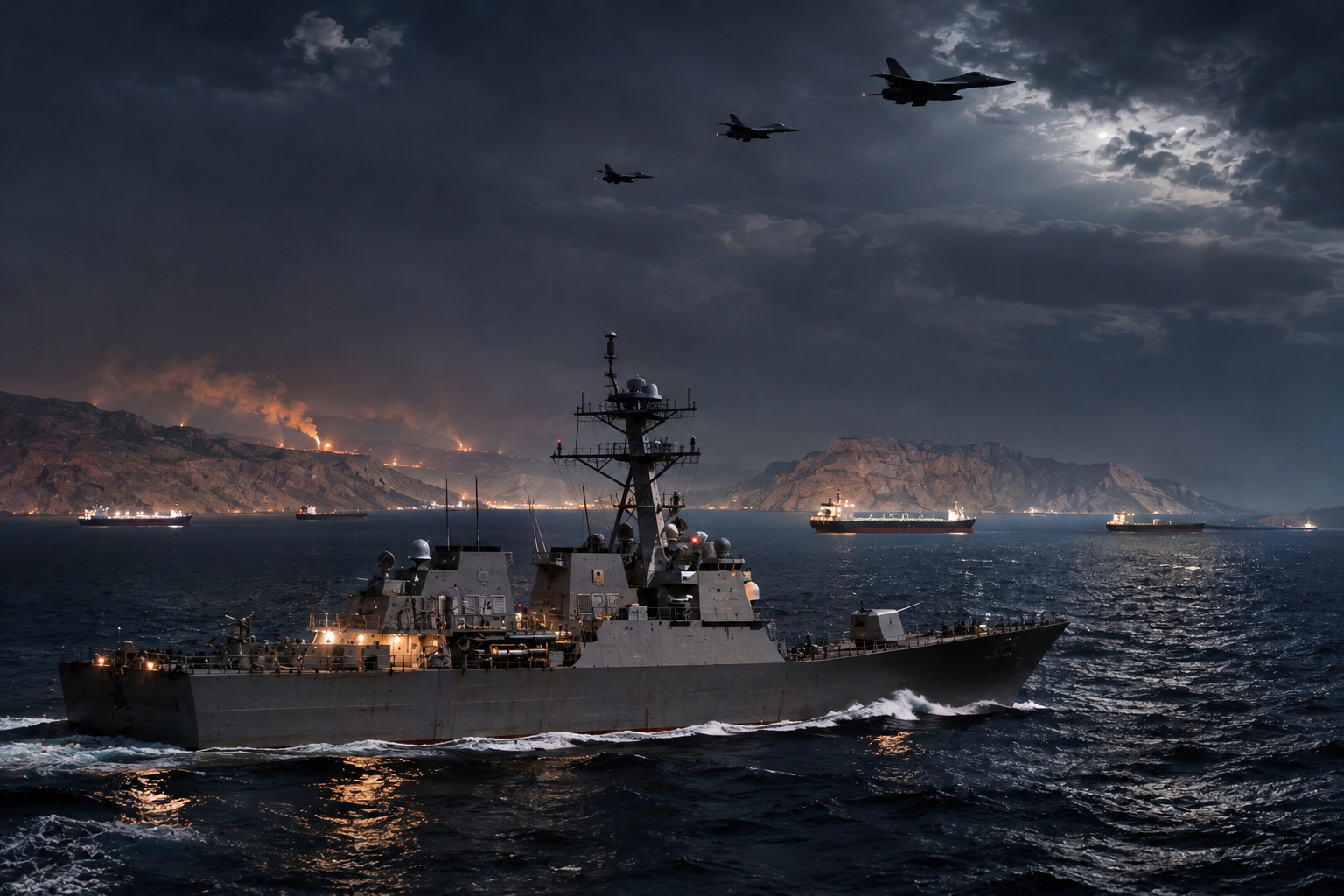
The latest escalation came Tuesday, November 17, when American fighter aircraft struck an Iranian missile launch site on Qeshm Island, near the strategically important Strait of Hormuz. A U.S. military official told Reuters the operation was carried out in response to Iranian attacks on American personnel and assets.
By Wednesday, the confrontation had spread to additional Gulf locations, creating new challenges for diplomatic efforts to contain the conflict.
Trump’s Warning Leaves Military Action on the Table
During a November 3 Fox News interview, Trump was asked about the possibility of renewed military operations against Iran.
“If Iran doesn’t behave, I will,” the president said, adding that Washington could pursue an agreement preventing Iran from obtaining a nuclear weapon or otherwise finish the military campaign.
Trump has portrayed previous American strikes as limited operations rather than the beginning of an extended military campaign. However, his comments make clear that the administration has not abandoned the possibility of further attacks.
Iranian Retaliation Raises Regional Risks
Iran said its forces targeted U.S. drone and missile installations at Ali Al Salem Air Base in Kuwait following the American strike on Qeshm Island. Kuwait reported that its air defenses were responding to hostile drone attacks.
Meanwhile, Bahrain said it intercepted Iranian aerial attacks for the third time in a week. The country hosts the U.S. Navy’s Fifth Fleet, making the latest developments particularly concerning for American military operations in the region.
Iranian Army Commander Amir Hatami warned that another U.S. attack could trigger a stronger response without geographical limits, according to Reuters.
Diplomacy Continues Despite Military Escalation
Despite the growing confrontation, negotiations have not completely collapsed.
On November 5, a senior Iranian official told Reuters that Tehran had sent a new nuclear proposal to Washington through Qatar. Iran said discussions depended on the United States addressing seven demands, including lifting sanctions, releasing frozen assets and providing compensation for wartime damage. Washington has insisted that nuclear restrictions must be part of any initial agreement.
Vice President JD Vance has also been involved in behind-the-scenes diplomatic efforts with Qatari and Pakistani intermediaries. Axios reported that discussions were aimed at securing a ceasefire and restarting nuclear negotiations, although a proposed technical meeting had not yet taken place when the report was published.
The Nuclear Dispute and Strait of Hormuz
The nuclear issue remains one of the most difficult obstacles. The International Atomic Energy Agency says it has been unable to verify the status of Iran’s highly enriched uranium stockpile since the June 2025 attacks on nuclear facilities. Its reported figure of 440.9 kilograms enriched to 60% reflects the previously reported stockpile, not a newly verified measurement.
Meanwhile, disruptions to shipping through the Strait of Hormuz are putting additional pressure on energy markets. The waterway is vital to international oil and gas trade, and continued attacks on vessels could create further economic consequences around the world.
For now, Washington and Tehran remain caught between military confrontation and difficult negotiations. Whether diplomacy can prevent another major offensive may determine how far the crisis spreads across the Middle East.



