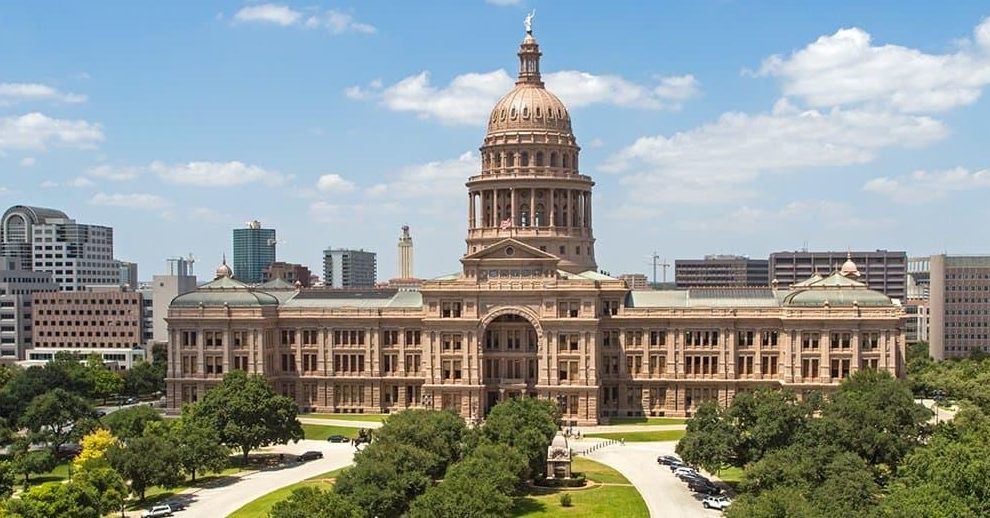
AUSTIN, TEXAS — Controversial claims about transgender healthcare, public schools, and taxpayer-funded medical procedures have become a major political issue in Texas, raising an important question: Where is the verifiable evidence behind allegations that schools are arranging gender-transition surgeries for students?
For years, Republican leaders have used transgender-related policies as a central issue in debates over education, parental rights, and healthcare. However, serious accusations involving public institutions require more than political speeches and campaign advertisements. They require documented evidence.
Texas Republicans controlled the governor’s office beginning in 1995 and both chambers of the state Legislature beginning in 2003. That long period of political control makes government accountability an important part of the discussion.
Controversial Claims Under Political Scrutiny
The controversy intensified in October 2026 after President Donald Trump repeated claims that schools were secretly sending children for gender-related surgeries without parental approval.
However, a CNN fact-check published on October 20, 2026, found no documented example supporting the specific allegation that a school had secretly arranged gender-affirming surgery for a student.
Medical experts also explained that school-related social transitions, including the use of different names or pronouns, are not the same as medical procedures.
The distinction is important: Allegations about school policies should not automatically be presented as evidence that schools are arranging medical surgeries.
Texas Political Advertisements Face Questions
The issue has also appeared in Texas political advertising.
During the 2026 election campaign, advertisements targeting Democratic Senate candidate James Talarico accused him of supporting taxpayer-funded gender-transition surgeries for children.
The criticism referenced his 2023 vote against Senate Bill 14, which restricted certain gender-affirming medical treatments for minors.
However, opposing a particular piece of legislation does not automatically establish support for every action that the legislation seeks to prohibit.
Fact-checking such advertisements requires examining the actual legislation, the candidate’s statements, and the specific claims being made.
What Does Texas Law Actually Say?
Texas enacted Senate Bill 14 in 2023, prohibiting certain gender-transition medical treatments for minors and restricting public funding for those procedures.
The law took effect on September 1, 2023.
But the existence of restrictions on medical treatment does not establish that public schools were previously performing surgeries or secretly arranging such procedures.
Those are separate allegations that require separate evidence.
Texas Voters Deserve Transparency
The political landscape has also changed following the November 3, 2026, midterm elections.
Democrats won the Texas governor’s race, with Gina Hinojosa defeating Greg Abbott, and gained control of the Texas House. Republicans, however, retained control of the Texas Senate.
The election results demonstrate how strongly political debates can influence voters, particularly when issues involving children, education, and healthcare dominate campaign messaging.
Ultimately, elected officials from both parties should be expected to provide evidence when making serious accusations.
Which schools were involved? Was taxpayer money actually spent? Which agencies approved the payments? Where are the official records?
These are reasonable questions that deserve clear answers.
Political disagreements over transgender healthcare will undoubtedly continue. But voters should be able to distinguish between documented facts, policy disagreements, and campaign rhetoric.
When serious allegations are made, evidence should come before outrage. Texas voters deserve transparency, accountability, and facts—not simply accusations designed to influence public opinion.