Subheadline: The defense giant is investing hundreds of millions of dollars in a new missile interceptor designed to reach targets at greater distances and altitudes. Testing is expected to begin in 2027 as the U.S. Army seeks stronger air and missile defenses.
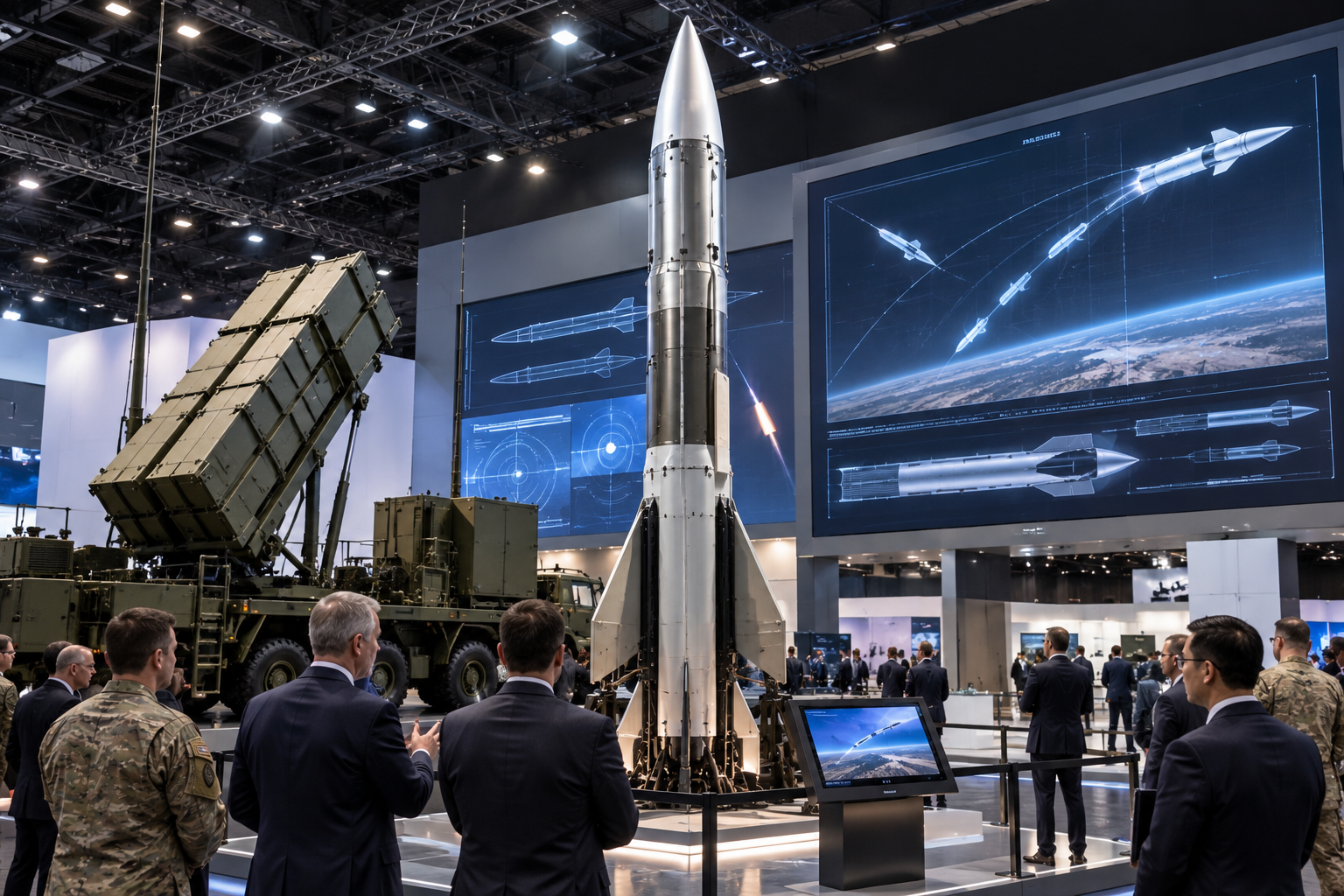
WASHINGTON — October 10, 2026 — American defense contractor Lockheed Martin has unveiled PAC-3 Edge, a next-generation missile interceptor designed to improve the U.S. Army’s ability to counter advanced aerial threats, including hypersonic missiles.
The company announced the new weapon on Friday, October 9, describing it as its entry in the Army’s Future Interceptor program, a competition intended to develop the next generation of capabilities for the Patriot air and missile defense system.
The proposed interceptor builds on the existing PAC-3 Missile Segment Enhancement (MSE), one of the United States’ principal systems for intercepting incoming ballistic missiles and other airborne threats. Lockheed says PAC-3 Edge will offer greater range, higher-altitude engagement capability and improved maneuverability against increasingly sophisticated targets. (Reuters)
The announcement comes as conflicts in Ukraine and the Middle East have increased demand for air defense systems and placed pressure on existing missile inventories. Washington and its allies are seeking ways to replenish supplies while preparing for threats involving faster missiles, complex flight paths and advanced countermeasures.
What Makes PAC-3 Edge Different?
According to Lockheed Martin, PAC-3 Edge incorporates three major technology improvements: a new missile seeker, upgraded flight controls and a multi-pulse solid rocket motor.
The seeker, being developed by Lockheed Martin, is intended to improve the interceptor’s ability to detect, track and engage difficult targets. Better sensing capabilities can help a missile respond to threats that move quickly or attempt to avoid interception.
The upgraded flight controls are designed to improve maneuverability, while the new rocket motor—being developed with Northrop Grumman—is intended to provide controlled thrust during multiple phases of flight.
Together, these changes are expected to allow PAC-3 Edge to engage certain threats at greater distances and higher altitudes than the existing PAC-3 MSE, according to the company.
Lockheed has emphasized that the system builds on technology developed for the established PAC-3 family rather than starting entirely from scratch. That approach could help reduce development challenges, although the missile must still undergo testing before it can be considered ready for operational use. (Lockheed Martin)
Lockheed Plans Hundreds of Millions in Investment
The company is committing substantial internal funding to the project.
Tim Cahill, president of Lockheed Martin’s Missiles and Fire Control division, said the company intends to invest hundreds of millions of dollars in the interceptor itself, in addition to spending on the advanced seeker and solid rocket motor.
Cahill said Lockheed had already invested approximately $50 million to $100 million or more directly in missile development. The company has also committed substantial resources to its seeker technology, including a reported $800 million investment plan for the broader seeker development effort, according to Breaking Defense.
Separately, Lockheed Martin said it had invested $250 million in its Strigo Product Center to support development of advanced seeker technologies. That investment relates to the broader technology-development effort and should not be interpreted as the total cost of PAC-3 Edge alone. (Breaking Defense, Lockheed Martin)
The company’s willingness to fund development before the final outcome of the Army competition reflects its expectation that demand for advanced missile defenses will remain strong.
Why Hypersonic Threats Matter
Hypersonic weapons have become a growing concern for military planners because they can travel at very high speeds and, depending on their design, maneuver during flight. Those characteristics can make detection, tracking and interception more difficult.
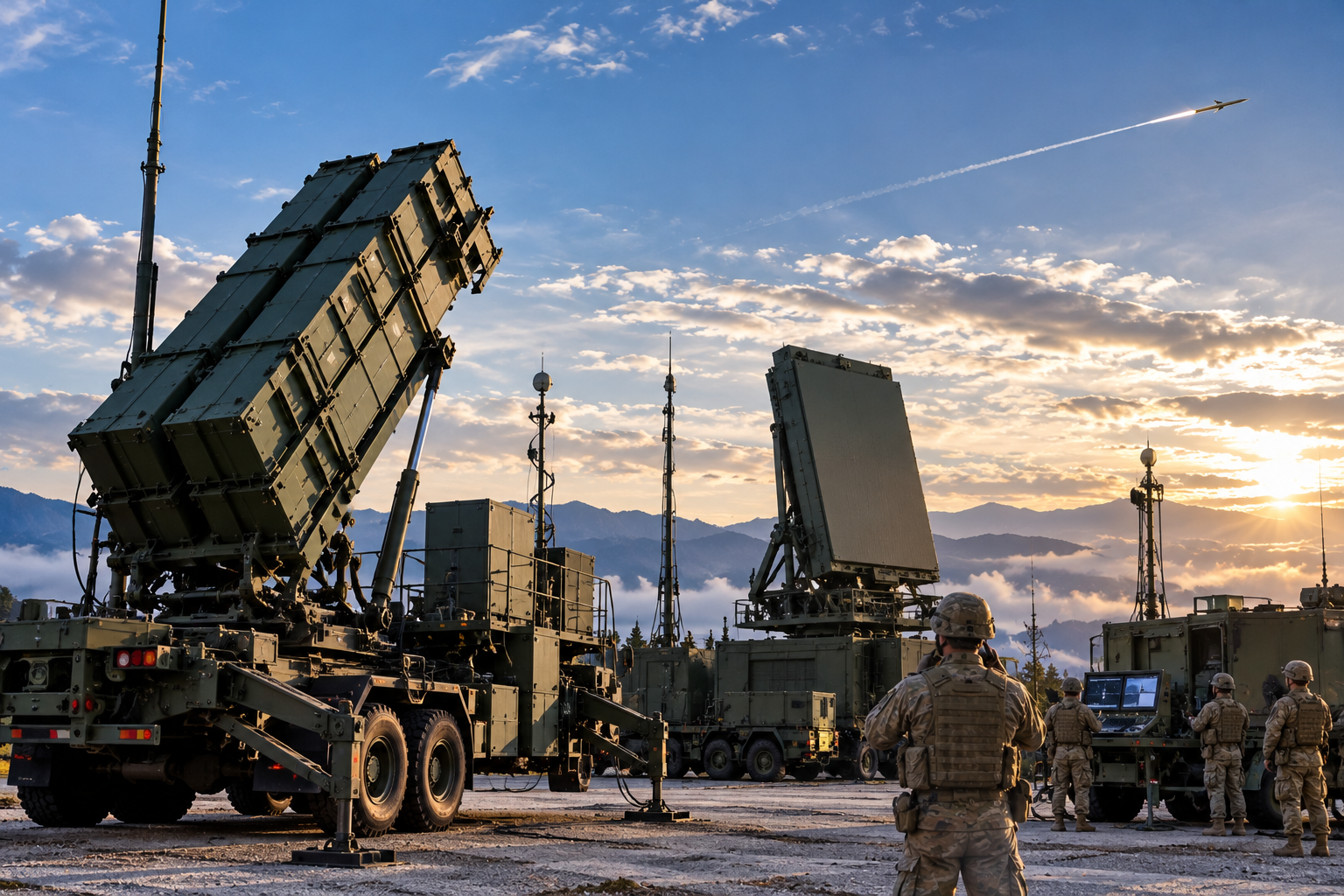
However, not every hypersonic weapon follows the same flight profile, and the ability to counter one type does not automatically establish the ability to defeat every hypersonic threat.
PAC-3 Edge is being designed to improve the Army’s options against advanced missiles and other aerial threats. Its actual effectiveness will depend on the results of testing, the characteristics of the incoming target and how the interceptor performs as part of a wider defense network.
For the United States, the development is part of a broader effort to strengthen layered air and missile defense, combining sensors, command systems and interceptors to protect military facilities and other critical assets.
U.S. Army Competition and Production Plans
Lockheed Martin said the Army has selected the company to advance to the next stage of the Future Interceptor competition. The service has not publicly identified the other candidate in the reporting surrounding the announcement.
The company expects testing of PAC-3 Edge to begin in 2027, with an initial deployment targeted for 2031. Those dates are development objectives, not guarantees that the interceptor will enter service on schedule.
Meanwhile, Lockheed is expanding production of the existing PAC-3 MSE. In July, the U.S. government awarded the company a multiyear contract arrangement valued at up to $58.62 billion to support increased production over seven years. Lockheed has said it intends to raise annual PAC-3 interceptor manufacturing capacity from approximately 600 to as many as 2,000 units. (Reuters)
The existing production line is also expected to support the future transition to PAC-3 Edge, with upgraded manufacturing equipment and automation intended to increase efficiency.
What Happens Next?
The next major milestone will be the start of testing. Before the Army can field PAC-3 Edge, developers will need to demonstrate that its seeker, propulsion system and flight controls work together reliably under demanding conditions.
The project also remains subject to the Army’s acquisition decisions, funding and performance requirements.
For now, PAC-3 Edge represents a development-stage effort to strengthen U.S. missile defenses, not an operational system already available to troops.
If the program meets its targets, the interceptor could give the Army another option against advanced missile threats later in the next decade. Its progress will be closely watched as the United States works to expand interceptor production and modernize its air and missile defense capabilities.