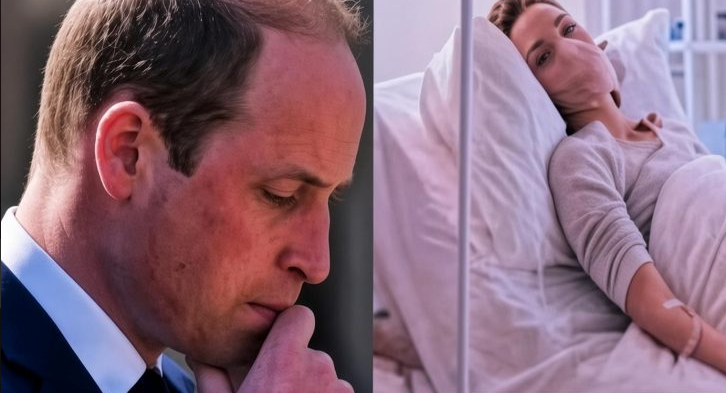
King Charles’ Reported Regret Raises Questions About Prince William, Prince Harry and the Royal Family’s Painful Past
The British royal family has spent decades balancing public duty with private struggles, but the emotional consequences of its history continue to shape the lives of King Charles III and his sons, Prince William and Prince Harry. A dramatic account of an alleged private conversation between Charles and William has renewed attention on family regrets, unresolved grief and the possibility of reconciliation.
According to the account, Charles reportedly reflected on decisions he made during his younger years and acknowledged the emotional consequences of choices shaped by personal relationships, fear and the expectations of the monarchy. If such a conversation took place as described, its significance would lie not in a dramatic royal announcement but in the possibility that a father was finally confronting difficult aspects of his family’s past.
However, the account does not identify a verifiable source for the alleged conversation, and its details remain unconfirmed.
The Lasting Shadow of Princess Diana
One of the most painful chapters in the family’s history was the death of Princess Diana in Paris in August 1997. William was 15 years old, while Harry was just 12.
Millions of people watched the brothers walk behind their mother’s coffin during her funeral procession through London. The images became part of British history, but for William and Harry, they represented a deeply personal loss experienced under extraordinary public scrutiny.
Both brothers grew up in the spotlight, expected to maintain their composure despite their grief. Their experiences later influenced different approaches to royal life. William remained closely connected to the monarchy, while Harry eventually stepped away from his senior royal role and moved to the United States.
Their differing choices contributed to tensions within the family, adding further complications to relationships already shaped by grief and years of public attention.
A Father Between Two Sons
Charles occupies a complicated position in this family history. As a father, he has personal relationships with both sons. As king, he also represents an institution built around tradition, continuity and public responsibility.
The account suggests that acknowledging past mistakes could represent an important step toward understanding, even if no apology could reverse the consequences of earlier events.
For William, such an acknowledgment might reopen painful memories of his childhood and his mother’s death. Yet recognizing past difficulties could also offer an opportunity to address feelings that have remained unspoken for years.
Harry’s situation adds another layer. He has spoken publicly about grief, family conflict and the pressures of royal life. Despite living far from Britain, he shares the same childhood history and the same loss of his mother.
Can the Royal Family Reconcile?
The possibility of reconciliation depends on more than a private conversation or a carefully worded statement. Trust must be rebuilt through consistent actions, honest communication and a willingness to acknowledge different experiences.
An apology cannot restore the past, and reconciliation does not necessarily mean returning relationships to the way they once were. For families facing years of disagreement, progress may begin with listening, accepting responsibility and allowing others to express their pain.
Ultimately, the account highlights a universal struggle beneath the royal titles: the difficulty of confronting family wounds while trying to move forward.
Whether Charles, William and Harry can build a better future together remains uncertain. Their shared history cannot be rewritten, but their future relationships will depend on the choices they make now.
Editorial note: The alleged private conversation described in the original text has not been independently verified. Confirm the claims with reliable reporting before presenting them as factual news.



