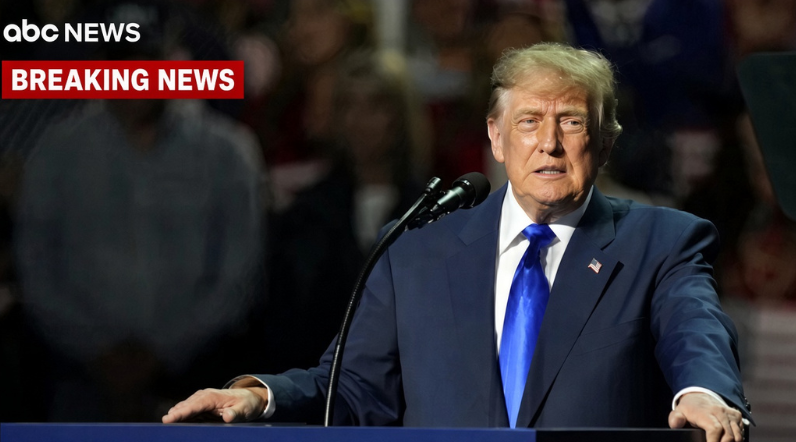
The Trump administration’s expanded federal law enforcement presence in Washington, D.C., is continuing to fuel a heated debate over public safety, civil liberties and the limits of presidential power. Supporters say coordinated operations have helped reduce crime, while critics question whether the prolonged federal presence undermines local control and provides sufficient accountability.
The initiative began on August 11, 2025, when President Donald Trump announced a federal law enforcement surge and deployed National Guard personnel to the nation’s capital. More than a year later, thousands of service members have been involved, and the legality of the deployment remains under scrutiny in federal court.
Administration Points to Crime Reductions
Federal officials argue that closer cooperation among agencies has improved public safety.
In August 2026, the U.S. Attorney’s Office for the District of Columbia reported substantial declines in several crime categories during the first year of the initiative. Officials cited reductions in homicide, carjacking, robbery and motor vehicle theft, alongside an increase in criminal prosecutions.
The Justice Department also reported that nearly 2,000 illegal firearms had been taken off Washington’s streets. Officials credited cooperation among federal agencies, local law enforcement and the Metropolitan Police Department for the results.
However, declining crime rates do not automatically establish how much of the improvement resulted from the federal initiative.
An analysis by the Council on Criminal Justice, published in August 2026, found that six of eight reported offense categories in Washington declined during the first half of 2026 compared with the same period in 2025. Homicide fell 41%, while carjacking dropped 63%.
But the picture was mixed: aggravated assault increased 45%, and gun assaults rose 13%. Researchers also noted that crime trends had already been moving downward before the federal deployment.
Civil Rights Groups Raise Accountability Concerns
Critics argue that an expanded federal presence requires strong oversight, particularly when federal officers work alongside local police.
Washington’s Office of Police Complaints reported that it received 587 formal complaints between October 2025 and March 2026, a 25% increase from the same period a year earlier. The office also initiated 308 investigations, an increase of 71%.
Its reports highlighted the importance of complete police documentation and consistent use of body-worn cameras when local officers work with federal partners.
The findings do not mean every complaint was substantiated. They do, however, demonstrate why transparency and clear procedures matter when multiple agencies operate together.
A Legal Battle Over Federal Authority
The dispute has also reached the courts.
On October 14, 2026, a federal appeals court heard arguments about whether Trump had legal authority to deploy the National Guard for the stated purpose of fighting crime in Washington. The District of Columbia argues that the deployment improperly intrudes on local authority and raises questions under federal restrictions on military involvement in domestic law enforcement.
The administration maintains that the president has the authority to deploy the Guard in support of civil authorities. The court has not issued a final ruling resolving the dispute.
The case touches on Washington’s unusual constitutional position. Congress retains authority over the federal district, while the Home Rule Act of 1973 allows residents to elect a mayor and city council.
What Comes Next?
The debate is no longer limited to whether crime figures are improving. It also concerns who should direct public safety operations, how residents can challenge misconduct and what limits apply to federal power in the capital.
The central question is whether Washington can maintain public safety while protecting local governance, civil rights and government accountability. The court proceedings and future crime data will help shape that debate.



