Subheadline: The Pentagon has directed U.S. Central Command to complete preparations for a possible resumption of major combat operations against Iran, while President Donald Trump weighs whether and when to authorize another escalation.
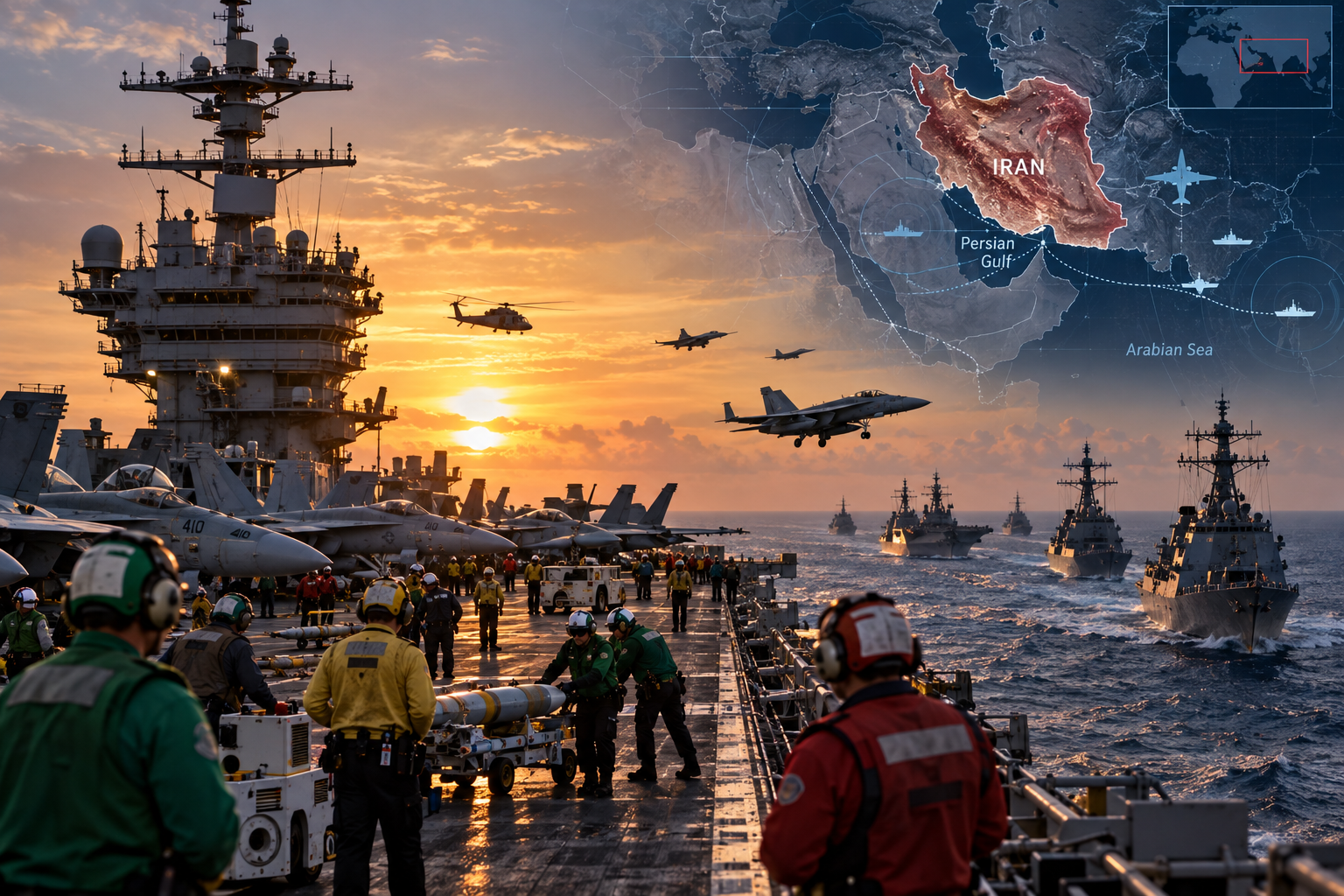
WASHINGTON — October 8, 2026 — The Pentagon has ordered U.S. Central Command to finish preparations for possible major combat operations against Iran, according to U.S. officials cited by Axios, adding to mounting signs that Washington is preparing for another phase of the conflict.
The directive, however, did not include a specific date for launching strikes, and President Donald Trump has not made a final decision on whether to resume large-scale attacks, the officials said. The reported preparations are therefore not confirmation that a new U.S. bombing campaign is imminent.
The development comes as diplomacy between Washington and Tehran remains stalled and U.S. military activity in the Middle East continues to raise concerns about a wider regional escalation.
Pentagon Prepares Multiple Military Options
The Pentagon’s role, according to a U.S. defense official quoted by Axios, is to develop and present military options to the president.
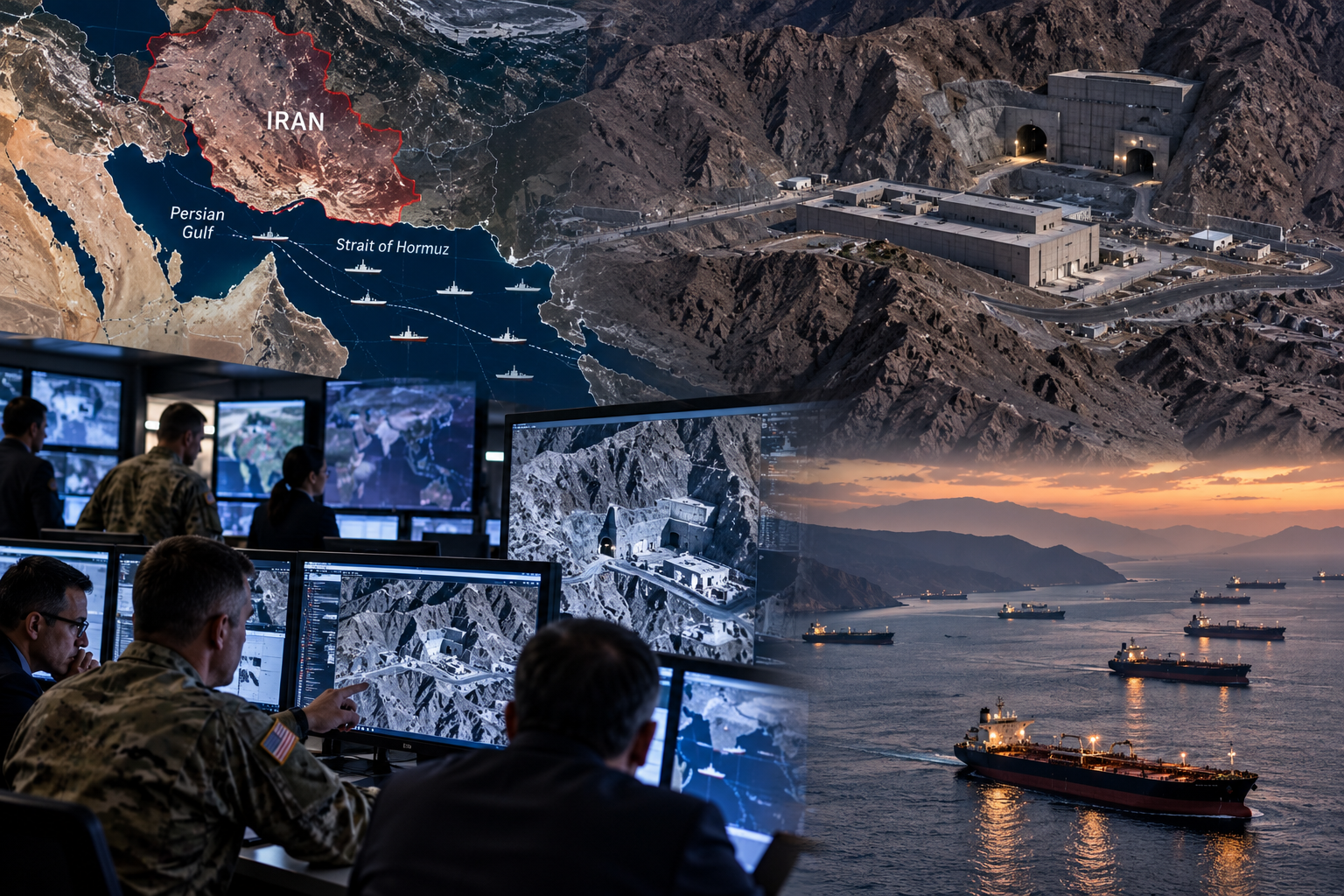
Sources said possible renewed operations could involve Iranian energy facilities, infrastructure and nuclear-related targets. The exact targets, scale and timing would depend on decisions made by the Trump administration and the evolving military situation.
The United States has already carried out extensive military operations against Iran during the current conflict. U.S. Central Command says Operation Epic Fury began under presidential direction and has targeted Iranian military capabilities, including command centers, missile-related facilities, naval assets and other locations that Washington says pose threats to U.S. forces and commercial shipping.
In July, the U.S. Department of War said more than 50,000 American service members were operating across the Middle East, underscoring the scale of the American military presence in the region.
Nuclear Program Remains at the Center
Iran’s nuclear program remains one of the central issues in the confrontation.
Reuters reported on October 7 that Iran’s previously declared enrichment program had been severely disrupted by earlier U.S. and Israeli strikes. Before those attacks, Iran had accumulated approximately 440.9 kilograms of uranium enriched to 60% purity, according to the International Atomic Energy Agency’s estimates. The IAEA has said it found no evidence of an active nuclear-weapons program, but the quantity and enrichment level have remained major international concerns.
Some of Iran’s known nuclear facilities were heavily damaged, but questions remain over the location of nuclear material and equipment. Reuters reported that the IAEA has faced restrictions on access to several sites, making it harder to establish the full condition of Iran’s nuclear program.
U.S. Vice President JD Vance has said Iran would need to make a “meaningful” reduction in its enrichment capabilities as part of any agreement to end the conflict.
Talks Have Made Little Progress
Despite the military preparations, diplomatic efforts have not disappeared.
Axios reported that U.S.-Iran negotiations have made little progress, with Qatari mediators still waiting for an Iranian response to a U.S. counterproposal that includes demands concerning Tehran’s nuclear program.
Iran has also continued to signal that it is prepared to respond militarily if the United States launches another major offensive.
Reuters reported earlier this month that Iranian commanders were preparing for stronger retaliation if Washington resumed large-scale attacks, with Tehran considering targets beyond U.S. positions and potentially involving regional allies.
That threat raises the possibility that any renewed U.S. offensive could quickly spread beyond Iran’s borders.
Israel and the United States Watching the Clock
The timing of any possible operation is receiving particular attention because it could overlap with major elections.
The United States is heading toward its November 3, 2026, midterm elections, while Israel is scheduled to hold parliamentary elections later this month. U.S. and Israeli officials cited by Axios said a resumption of major combat operations could occur before either election, although one Israeli official characterized the chances of action before the elections as relatively low.
Trump has also recently resumed direct communication with Israeli Prime Minister Benjamin Netanyahu. Axios reported that the two leaders spoke twice within several days after having limited contact for weeks. Their discussions came as Israeli officials were also reviewing the Iran situation.
The possibility of renewed joint U.S.-Israeli military operations is therefore another major factor being watched closely.
Oil Markets Brace for More Uncertainty
A wider conflict could have consequences far beyond military targets.
The Strait of Hormuz remains a critical shipping route for global energy supplies, and recent attacks and disruptions have intensified concerns about oil markets. Reuters reported on October 8 that Brent crude rose more than 4% to $104.75 a barrel, while U.S. West Texas Intermediate crude climbed more than 4% to $92.28, as traders reacted to growing concerns about Middle East supply disruptions.
A major new wave of fighting could put additional pressure on shipping and energy markets, particularly if commercial traffic through the Gulf becomes more difficult or dangerous.
Trump Has Not Made the Final Call
For now, the key distinction remains clear: the U.S. military has been ordered to prepare, but no new strike date has been announced.
President Trump retains the decision over whether to authorize another major operation. The Pentagon is preparing options while diplomatic efforts continue and Iran prepares for the possibility of further attacks.
That leaves the Middle East in a tense period where military readiness and diplomacy are developing in parallel.
If Washington ultimately orders renewed major combat operations, the targets, scale and Iranian response could determine whether the confrontation remains focused on Iran or expands into a broader regional crisis.
For now, the next major decision rests with the White House—and the U.S. military is preparing for the possibility that the order could come.