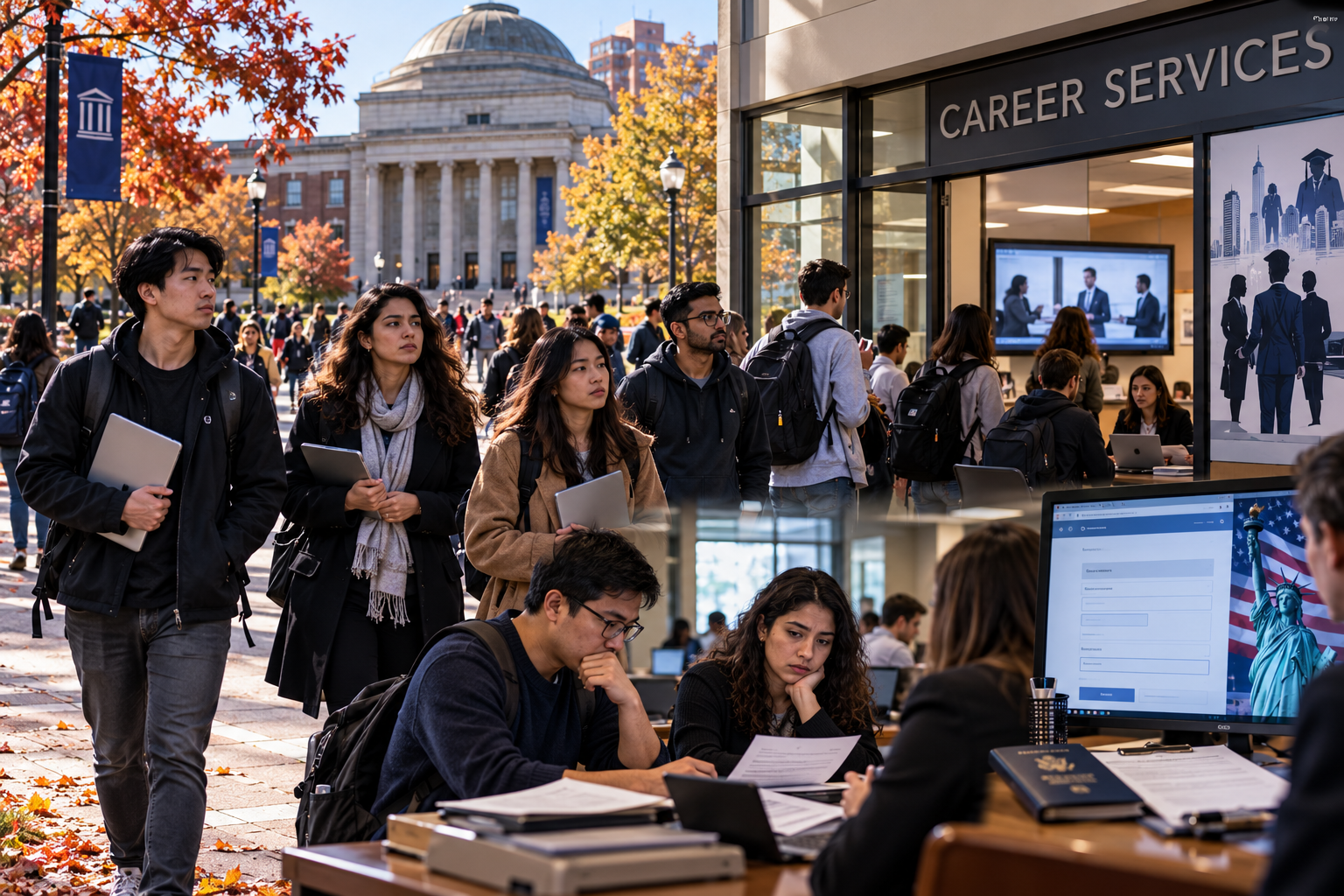
Subheadline: A new Trump administration proposal would require universities and other approved institutions to pay $70,000 for a student’s initial Optional Practical Training participation and $30,000 for subsequent participation, potentially reshaping one of the most widely used work pathways for international graduates.
WASHINGTON — October 8, 2026 — The Trump administration has proposed a dramatic new fee structure for international students who seek temporary work authorization in the United States, potentially requiring universities and other authorized institutions to pay as much as $100,000 for an individual student’s participation in the program over multiple periods of training.
The proposal, published by the Department of Homeland Security (DHS) on October 8, 2026, targets the Optional Practical Training (OPT) program, which allows eligible students holding F-1 visas to gain practical work experience related to their academic studies. Under the proposed rule, schools would pay $70,000 for a student’s initial OPT participation and $30,000 for any subsequent participation.
The plan would represent a huge increase from the current costs associated with OPT and could force colleges to reconsider whether they can continue recommending international graduates for the program at the same scale.
What the Proposed $100,000 Fee Means
The proposed charges are structured around an international student’s participation in OPT rather than as a single blanket fee.
Under the DHS plan, the first OPT recommendation would carry a $70,000 fee, while a later participation—including a qualifying extension—would carry an additional $30,000 fee. That means the government estimates that some students could generate $100,000 in total fees across multiple OPT periods.
For example, an international student could first participate in post-graduation OPT and later qualify for an additional period of training, including a STEM-related extension. DHS says the fee would apply to each qualifying participation under the proposed system.
Importantly, the proposal places the payment obligation on the educational institution, not simply on the student as a direct government charge.
That distinction matters because universities would suddenly face a potentially enormous new cost when deciding whether to recommend graduates for employment authorization.
Why OPT Matters to International Students
OPT has become an important bridge between higher education and the U.S. workforce.
Under current rules, eligible F-1 students can generally receive up to 12 months of OPT, with qualifying graduates in science, technology, engineering and mathematics able to receive an additional 24-month STEM OPT extension. Students must work in employment related to their field of study and meet federal requirements.
The program is particularly important to students hoping to build careers in industries such as technology, engineering, research and other specialized fields.
Reuters reported that OPT is also frequently used as a bridge for graduates who later seek employment through the H-1B visa program, which has itself faced major fee and policy changes under the Trump administration.
That makes the new proposal potentially significant beyond universities. Employers that depend on internationally educated workers could also feel the effects if fewer graduates are able to participate in OPT.
DHS Says the Goal Is Fraud Prevention
DHS says it is proposing the fees to combat fraud, strengthen immigration-system integrity and protect U.S. workers.
The agency argues that stronger financial requirements would encourage universities, employers and students to comply with OPT rules and prevent misuse of the program. DHS also says institutions have a responsibility to ensure that international students are participating in legitimate training connected to their studies.
The department argues that F-1 visas are primarily intended for education, rather than as a direct route into permanent employment, and says students have other potential immigration options after completing their studies.
Critics, however, say the financial burden could make the program effectively inaccessible for many schools.
The Associated Press reported that higher-education groups and immigration specialists warn that a $70,000 initial charge could discourage universities from supporting international students’ post-graduation work opportunities, potentially affecting U.S. businesses and innovation.
Universities Already Face Enrollment Pressure
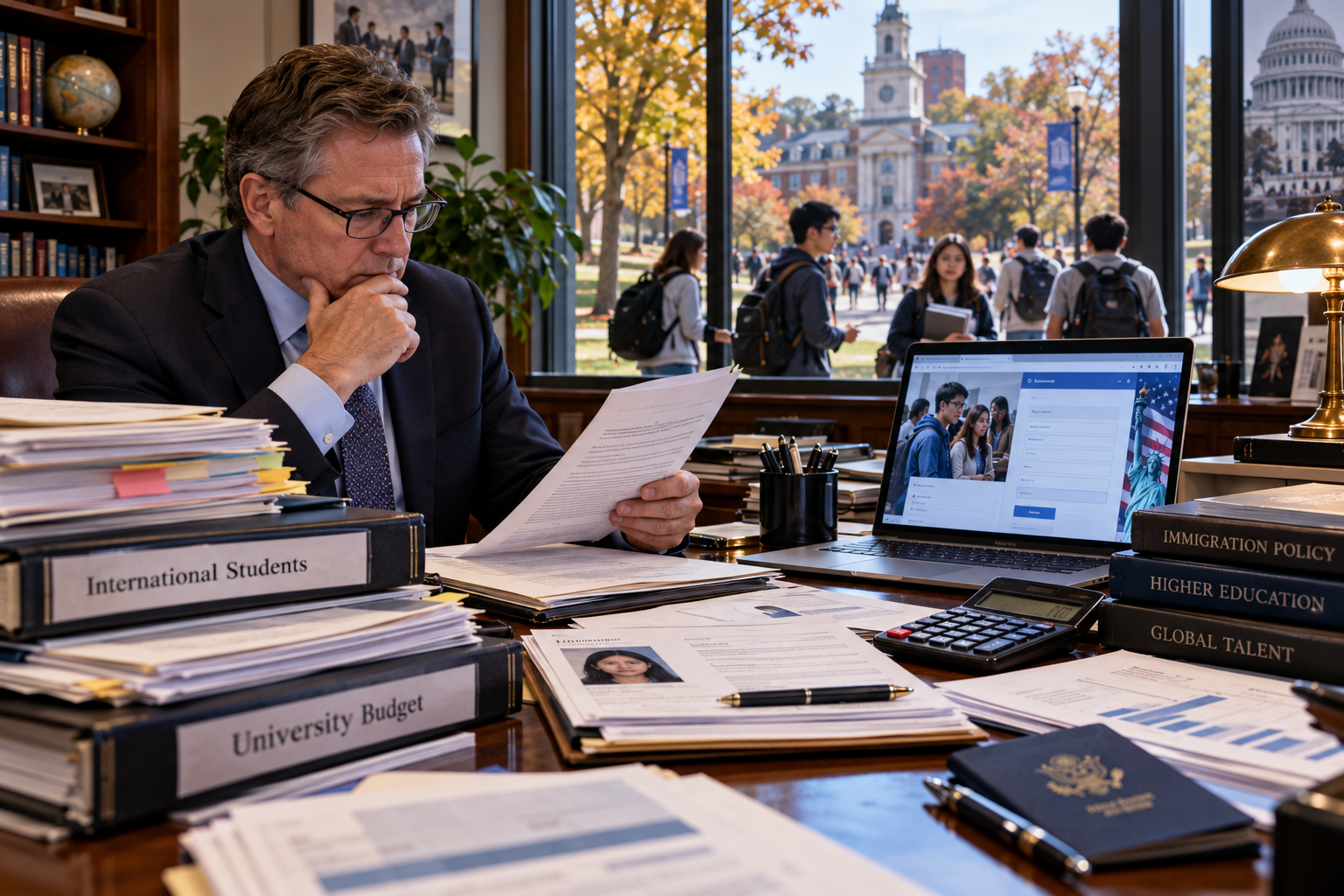
The proposal arrives as U.S. colleges are already dealing with declining international enrollment.
According to the Institute of International Education, the number of new international students entering U.S. colleges and universities fell 17% in fall 2025. Overall international enrollment declined 1%, while graduate enrollment dropped 12%.
NAFSA has warned that the decline is already producing economic consequences. Its analysis estimated that the drop in new international enrollment contributed to more than $1.1 billion in lost revenue and nearly 23,000 fewer jobs.
Education officials say uncertainty surrounding visas and post-graduation employment can influence whether international students choose the United States over competing destinations.
The new OPT proposal therefore arrives at a particularly sensitive moment for colleges that rely on international enrollment for both academic diversity and financial stability.
The Rule Is Not Yet Final
Despite the size of the proposed fees, international students are not facing an immediate $70,000 or $100,000 payment requirement under this proposal.
The DHS notice is a Notice of Proposed Rulemaking, meaning the department must first accept and review public comments before deciding whether to issue a final rule. The Federal Register says comments on the proposal are due by November 9, 2026, while DHS proposes that any final rule would take effect 60 days after publication.
That process could give universities, students, employers and advocacy organizations an opportunity to challenge the proposal or request changes.
Legal challenges could also emerge if DHS ultimately adopts the rule, particularly given the broader litigation surrounding Trump administration immigration policies.
A Potential Turning Point for U.S. Higher Education
The proposal puts universities in an unusual position: pay tens of thousands of dollars for a graduate’s temporary work authorization or potentially limit access to the program.
DHS says the fees are necessary to protect the integrity of the immigration system and American workers. Higher-education advocates argue that making OPT vastly more expensive could undermine a system that helps international graduates gain U.S. work experience and supplies businesses with highly educated talent.
The biggest question now is whether the proposal survives the public-comment process and any legal challenges that follow.
For thousands of international students—and the universities that recruit them—the answer could determine whether working in the United States after graduation remains a realistic option or becomes a far more restricted pathway.