Subheadline: The U.S. aircraft carrier returned to San Diego after nearly 11 months away, including an extended period supporting combat operations against Iran. The homecoming brings relief to thousands of sailors and their families after a deployment marked by intense fighting, supply disruptions and mental health concerns.
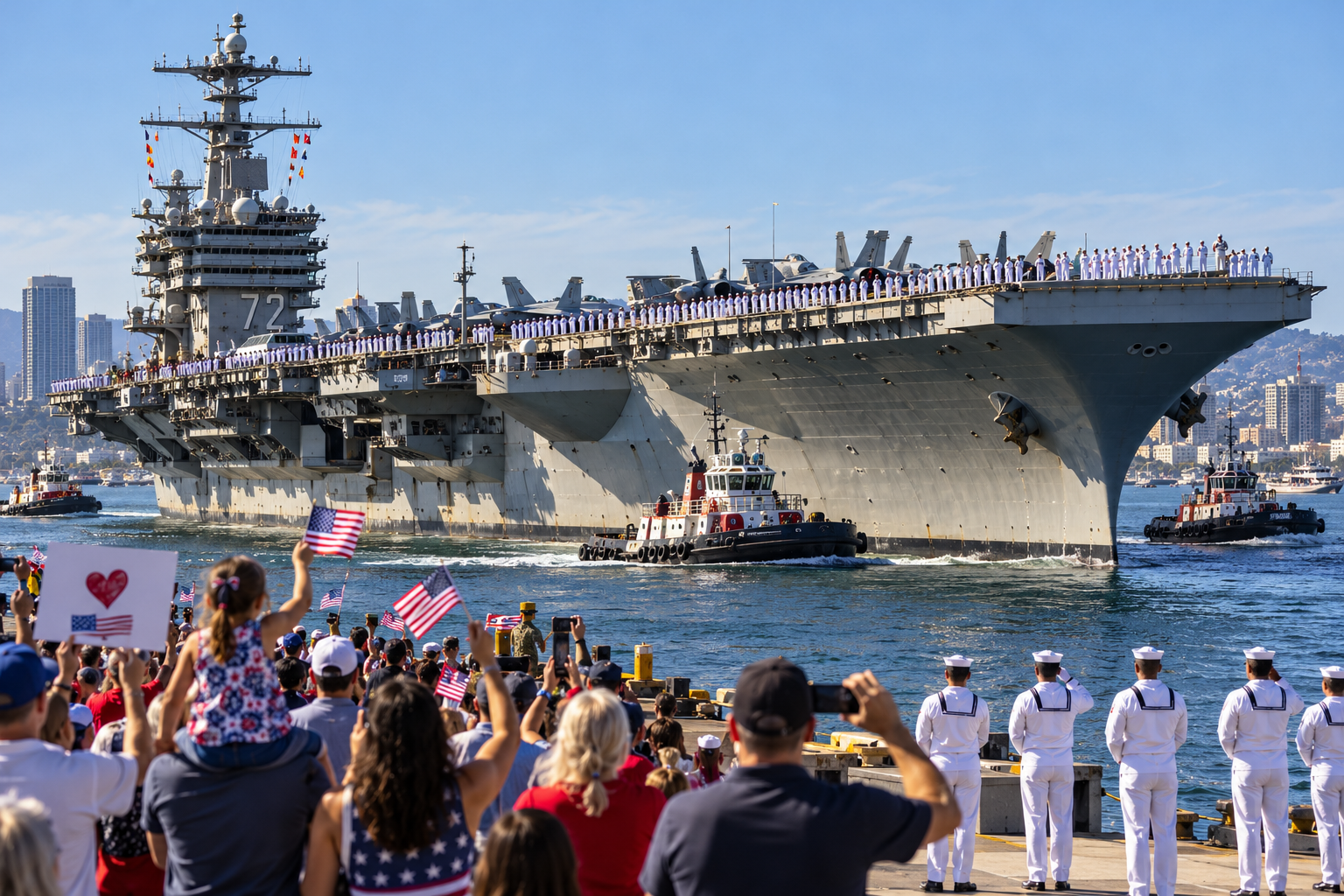
SAN DIEGO, California — October 9, 2026 — The USS Abraham Lincoln returned to its home port in San Diego on Thursday, October 8, ending a grueling 321-day deployment that included combat operations in the Middle East, prolonged stretches at sea and mounting concerns over conditions aboard the aircraft carrier.
Thousands of sailors and Marines were welcomed home by emotional family members and friends who gathered at Naval Air Station North Island to watch the enormous warship approach its berth. After nearly 11 months away, the crew finally had the opportunity to reunite with loved ones following one of the Navy’s most demanding recent deployments.
The homecoming marked the end of a mission that tested the crew’s endurance while raising questions about military readiness, supply logistics and the human cost of extended combat operations.
According to Associated Press reporting, the carrier endured a record 265 consecutive days at sea without a port call during its deployment.
A Historic Deployment in the Iran Conflict
The USS Abraham Lincoln departed San Diego on November 21, 2025, initially operating in the Indo-Pacific before moving into the Middle East as the conflict with Iran intensified.
The carrier became an important part of U.S. military operations during the war, supporting missions under Operation Epic Fury, the Trump administration’s name for its military campaign against Iran.
According to figures cited by Defense Secretary Pete Hegseth, the carrier strike group conducted 3,693 combat sorties, launched 450 Tomahawk cruise missiles, delivered approximately 1.37 million pounds of ordnance and sank 64 Iranian warships. Hegseth also said the group destroyed 21 anti-ship cruise missiles.
The defense secretary said the carrier completed its combat mission without casualties or aircraft mishaps. These figures were presented as part of the military’s account of the operation. (Reuters)
The mission’s scale highlights the central role aircraft carriers continue to play in U.S. military operations, providing a mobile platform for fighter aircraft, surveillance and sustained combat missions far from American shores.
Food Shortages and Supply Problems Aboard the Ship
Despite the military accomplishments, the deployment also exposed significant logistical challenges aboard the carrier.
Reports of supply shortages drew national attention as sailors spent extended periods away from port. Crew members faced limited food choices, delays in receiving supplies and shortages of certain hygiene products. Problems with mail delivery and shipboard plumbing also contributed to concerns about daily living conditions.
The Navy acknowledged that combat operations complicated resupply efforts. Acting Navy Secretary Hung Cao said in August that the carrier maintained adequate food supplies, although meal options had temporarily been reduced from two choices to one because of difficulties bringing provisions aboard.
Cao said the crew continued receiving four nutritionally balanced meals per day.
The distinction is important: reports described shortages and reduced choices, but the Navy disputed suggestions that the crew had been left without adequate nutrition.
Long periods without port visits can complicate the delivery of fresh food, replacement equipment and personal supplies. On a carrier operating at a high combat tempo, logistical delays can become an additional burden for sailors already working demanding schedules. (AP News)
Mental Health Concerns Raise Questions
The deployment also brought renewed attention to the psychological strain experienced by sailors serving through prolonged combat operations.
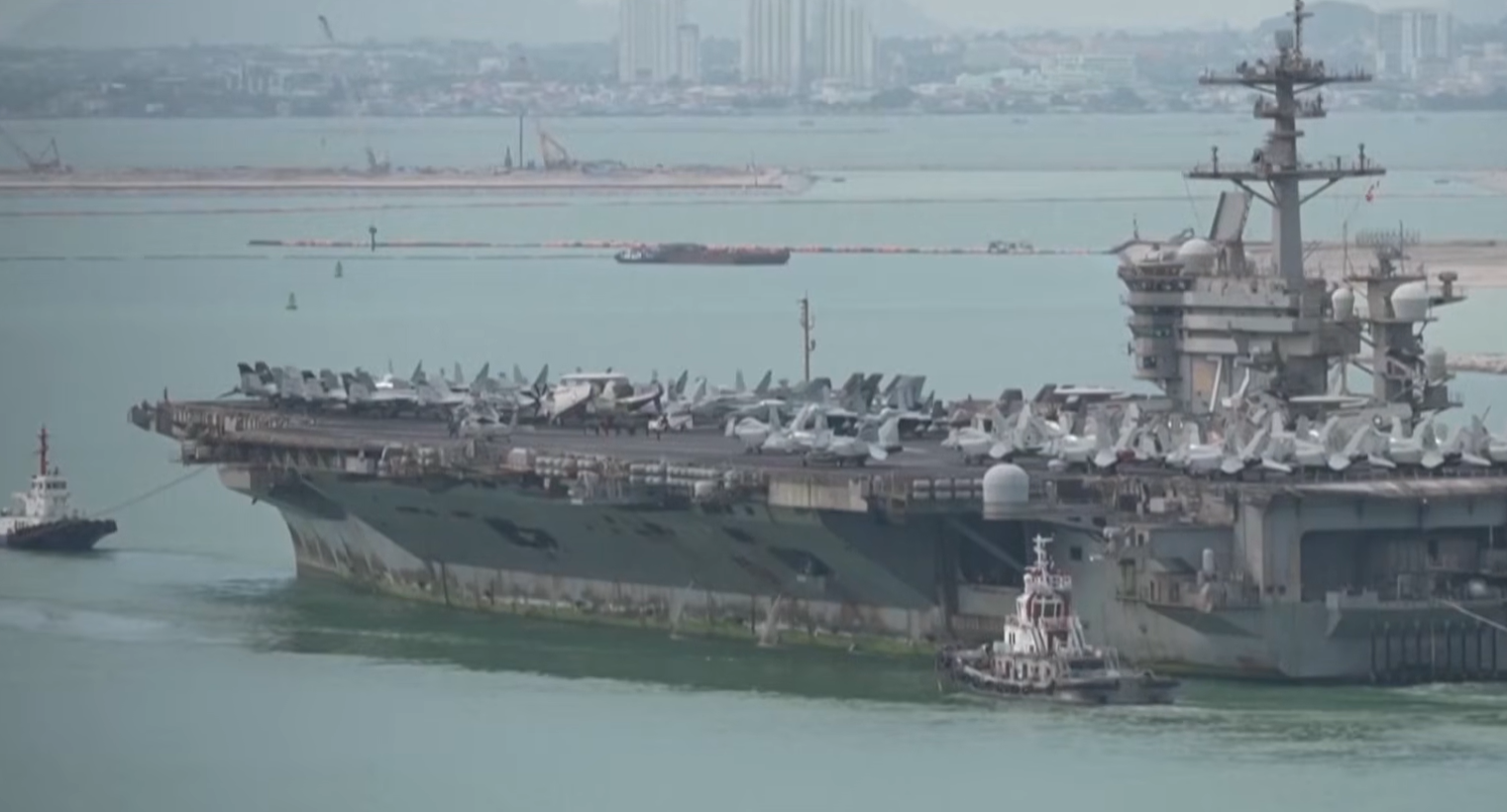
The Navy told lawmakers that eight sailors attempted suicide during the deployment, according to Associated Press and Reuters reporting. The figure prompted questions about access to mental health support, the pressures of extended sea duty and the effectiveness of support systems for personnel serving far from home.
Military deployments can separate service members from their families for months at a time. Combined with sleep disruption, sustained operational demands and uncertainty surrounding combat, those conditions can create significant stress.
The reports do not establish that every incident was caused by the deployment, but they have intensified discussion about the importance of mental health services and early intervention for sailors in demanding assignments.
Hegseth pushed back against efforts to portray the carrier as a symbol of dysfunction, praising the crew for adapting to difficult circumstances and completing its mission.
Hegseth Honors the Crew Before Homecoming
On October 7, one day before the carrier returned to San Diego, Hegseth visited the ship and presented its crew with the Presidential Unit Citation, a prestigious award recognizing extraordinary performance in combat.
The citation recognized the carrier strike group’s role in sustained operations against Iran and the maritime blockade described by the Pentagon.
Hegseth acknowledged that he had signed orders extending the deployment, explaining that the mission required the carrier to remain in the region. He also told sailors they deserved to return home and see their families as soon as possible.
The award provided formal recognition of the crew’s military service while the reported shortages and mental health concerns remained part of the public discussion surrounding the mission. (Reuters)
Families Finally Welcome Their Sailors Home
For the families waiting along the San Diego waterfront, the return represented the end of months of separation and uncertainty.
Relatives gathered early to watch the carrier enter the harbor, many carrying signs and preparing to embrace sailors they had not seen in person for much of the year. The arrival was especially meaningful for families who had followed reports about the difficult conditions aboard the ship.
The homecoming also underscores a broader challenge for the U.S. Navy: maintaining operational readiness while ensuring crews have sufficient rest, reliable supplies and access to mental health support during unusually long deployments.
The USS Abraham Lincoln’s 321-day mission is over, but questions about the sustainability of extended combat deployments remain.
As the crew begins its return to ordinary routines, the Navy faces the task of recognizing its sailors’ achievements while examining what the experience revealed about logistics, personnel welfare and the demands placed on America’s carrier fleet.