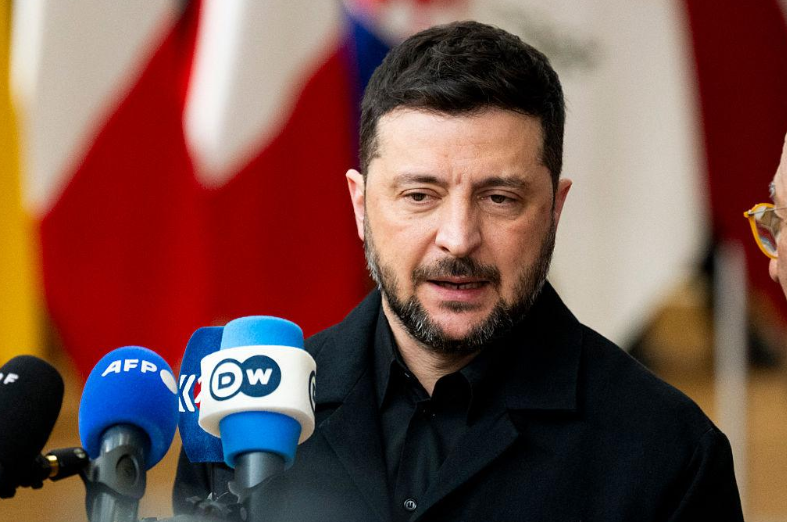
Subheadline: Ukraine has resumed attacks on Russian oil infrastructure after President Volodymyr Zelenskyy said Moscow failed to honor a proposed energy truce. The dispute has deepened tensions with President Donald Trump over Russian diesel supplies, military support and the path toward ending the war.
KYIV, Ukraine — October 27, 2026 — Ukrainian President Volodymyr Zelenskyy has reaffirmed that Ukraine will continue attacking Russian oil refineries unless Moscow stops striking Ukrainian energy infrastructure, escalating a diplomatic dispute with U.S. President Donald Trump over the conduct of the war.
The confrontation intensified after Ukraine struck a Russian oil refinery in the Ryazan region on October 15, setting part of the facility on fire, according to Russian officials and reporting by The Associated Press. The strike followed Zelenskyy’s declaration that Kyiv would no longer observe the brief energy truce announced by Trump because Russian attacks against Ukrainian infrastructure had continued. (Associated Press)
The dispute has exposed a growing divide between Washington and Kyiv over how to achieve a ceasefire, protect Ukraine’s energy system and manage the economic consequences of the war.
Zelenskyy Says the Energy Truce Failed
The latest dispute began on October 11, when Trump announced that Russia and Ukraine had agreed to stop attacking each other’s energy infrastructure, saying the arrangement was effective immediately.
However, the announcement caught Kyiv by surprise. Zelenskyy said Ukraine was willing to participate but was still waiting for clear details from Washington. Russia did not publicly confirm that it had accepted the proposed terms.
Ukrainian officials subsequently reported Russian strikes on energy facilities, including a power plant in Kharkiv, a gas production facility and other infrastructure. Zelenskyy argued that a truce could only work if both sides followed the same restrictions. (Reuters)
By October 15, Zelenskyy said his patience had run out. After Ukraine attacked the Ryazan refinery, he told the Financial Times that the pause on attacks against Russian refineries was over.
The refinery strike marked a clear return to Ukraine’s campaign against Russian energy infrastructure, which Kyiv views as a way to reduce the revenue Moscow uses to sustain its military operations.
Russia has disputed aspects of Ukraine’s account of the ceasefire, and it has not been possible to independently verify every reported attack or alleged violation.
Why Russian Oil Refineries Have Become Targets
Russian refineries have become strategically important targets because they process crude oil into diesel, gasoline and other petroleum products used by the economy and armed forces.
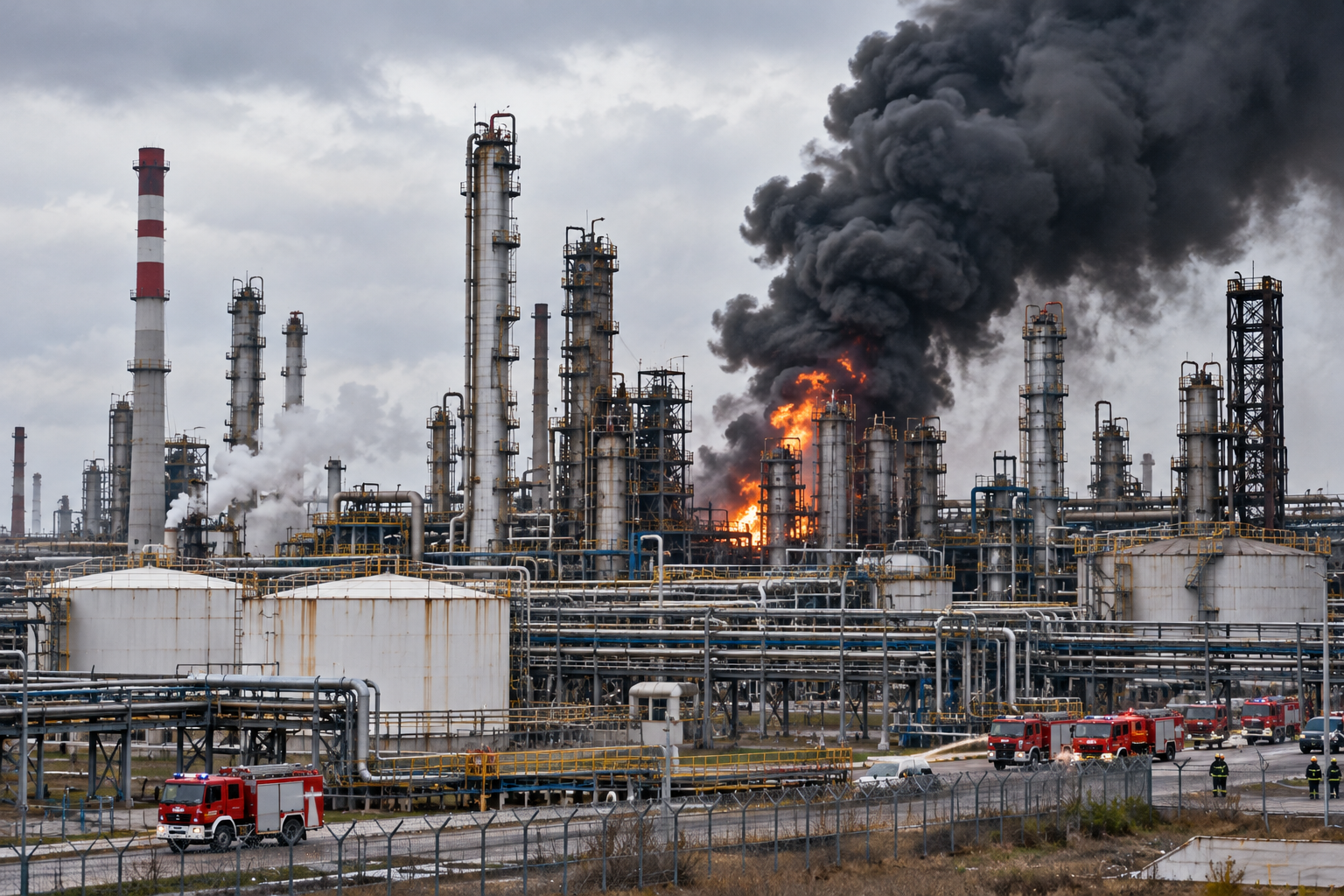
Ukraine has increasingly relied on long-range drones to strike facilities deep inside Russian territory. Kyiv says these operations can disrupt fuel production, damage infrastructure and increase the cost of Russia’s invasion.
Moscow has criticized the attacks, arguing that they threaten civilian infrastructure and energy security. Russian officials have also claimed that damage to refineries has not caused a decisive disruption to the country’s wider oil industry.
For Ukraine, however, the strikes are part of a broader effort to impose costs on Russia while Ukrainian cities continue to face missile and drone attacks.
The central disagreement is whether energy infrastructure should be protected under a mutual ceasefire or remain a legitimate target while attacks continue elsewhere.
Trump’s Pressure on Kyiv Deepens the Rift
Trump has pressed Ukraine to stop attacking Russian refineries, arguing that such strikes have contributed to higher fuel prices, including diesel costs affecting American consumers and businesses.
His position has become particularly sensitive as the United States approaches the November 3 midterm elections, with inflation and energy prices remaining important political issues.
Relations between Trump and Zelenskyy deteriorated further after Washington pursued an arrangement to receive Russian diesel supplies. Zelenskyy criticized the proposed deal, warning that additional Russian energy revenue could help Moscow finance its war.
In an interview with the Associated Press, Zelenskyy said he felt “betrayed” by the combination of the proposed energy truce, the Russian diesel arrangement and restrictions affecting Ukraine’s use of U.S.-made Starlink communications. (Associated Press)
Trump has publicly criticized Zelenskyy, questioned his leadership and suggested that Ukraine should hold an election. Zelenskyy has responded that decisions about Ukraine’s leadership belong to Ukrainian voters.
The disagreement has become more than a dispute over refinery attacks: it now involves the conditions under which Washington is prepared to continue supporting Kyiv.
Military Support Remains a Critical Issue
Despite the growing tension, Ukraine continues to depend heavily on American military and intelligence support.
On October 25, Zelenskyy said U.S. warnings about imminent Russian ballistic missile attacks had been fully restored. He also said SpaceX’s military satellite service, Starshield, had returned to higher speeds following earlier restrictions.
Zelenskyy linked those developments to discussions with U.S. special envoy Steve Witkoff in Oslo. He also said Ukraine would consider stopping attacks on Russian refineries if Moscow ceased strikes on Ukrainian power infrastructure, if Washington allowed Starshield to help detect Russian missile launch sites, or if the United States supplied additional Patriot air-defense missiles. (Reuters)
His comments show that Kyiv is linking its willingness to restrain attacks on Russian energy facilities to concrete security guarantees and reciprocal Russian action.
Could Another Ceasefire Still Be Possible?
A new agreement remains possible, but the latest developments highlight how difficult it may be to establish a truce that both countries accept and follow.
Ukraine wants guarantees that Russia will stop attacking its power plants and energy infrastructure. Moscow has maintained its military campaign and disputed the characterization of the proposed arrangement.
The United States faces a balancing act: Trump wants lower energy prices and a diplomatic breakthrough, while Ukraine insists that pressure cannot fall exclusively on Kyiv.
European officials have also warned that pushing Ukraine to make unilateral concessions could weaken its position without ensuring that Russia stops attacking.
What Happens Next?
For now, Ukraine has resumed strikes on Russian oil facilities, and Zelenskyy says any pause must be reciprocal and supported by credible guarantees.
The refinery attacks could continue to complicate relations with Washington, especially if the administration sees them as contributing to higher fuel prices or undermining negotiations. At the same time, Russian attacks on Ukrainian energy infrastructure remain a central obstacle to a lasting truce.
The next round of discussions among Ukraine, Russia and the United States, expected in November, could test whether the sides can agree on more specific conditions.
Until both governments accept clear terms and demonstrate that they will follow them, the proposed energy ceasefire remains an unresolved dispute rather than a stable agreement.



