Obama Slams Trump’s Unprecedented Media Ban – Remarks Spark a Fierce Political Debate
Former President Barack Obama has sharply criticized President Donald Trump’s decision to bar several major news organizations from the White House, warning that the dispute raises serious questions about press freedom and democratic accountability.
Speaking at Colgate University in New York on September 19, Obama questioned what would have happened if he had tried to exclude Fox News from the White House during his own presidency.
“I’m trying to think what would’ve happened if I had said, ‘You know what, Fox News, you’re out of here!’” Obama said, describing the idea as “unimaginable.”
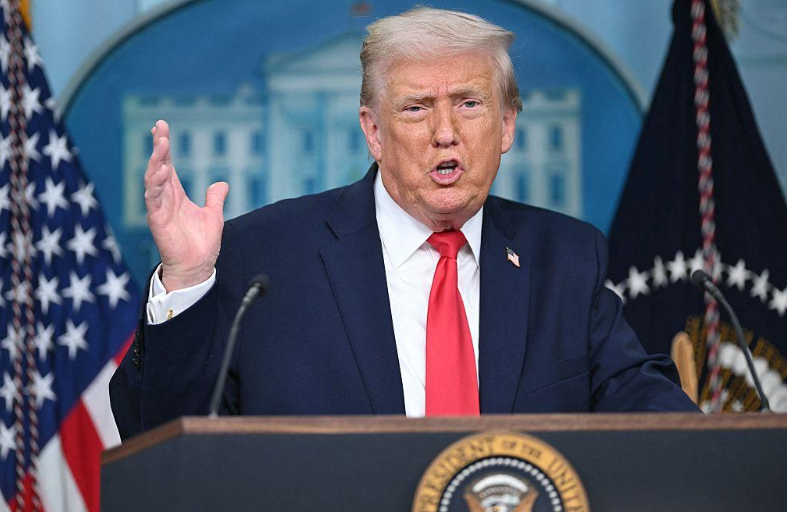
His remarks came one day after Trump announced that CNN, MS NOW and Politico would be barred from White House access, accusing the organizations of publishing what he called fake news.
The announcement triggered an immediate confrontation between the administration and the affected news outlets, whose journalists were subsequently denied entry to the White House grounds.
Trump defended the decision by arguing that news organizations should not receive privileged access if they repeatedly publish inaccurate or misleading reporting about the president and his administration.
The targeted outlets rejected that characterization and argued that the administration was retaliating against them for coverage it disliked, raising concerns about government interference with independent journalism.
Obama said the issue extended beyond partisan politics. He argued that Americans must understand why a president restricting access for critical media organizations could create a dangerous precedent.
He also questioned how a significant portion of the public could accept such restrictions without considering what similar powers might mean under a future administration led by the opposing political party.
The former president urged Americans to pay closer attention to democratic principles and warned against allowing political divisions to weaken shared expectations about how government institutions should operate.
The controversy quickly became part of a wider national debate over the relationship between presidents and the press, particularly when coverage becomes politically damaging or deeply unpopular with the administration.
Trump’s supporters have argued that presidents should be able to establish reasonable standards for White House access and hold journalists accountable for reporting they consider inaccurate or unprofessional.
Critics counter that denying access because of unfavorable coverage risks turning government press privileges into a tool for punishing editorial decisions, potentially undermining the public’s ability to scrutinize those in power.
The White House has also pointed to past disputes involving previous administrations, including tensions between Obama’s team and Fox News in 2009. However, fact-checkers have noted important differences between that incident and the broader ban announced by Trump.
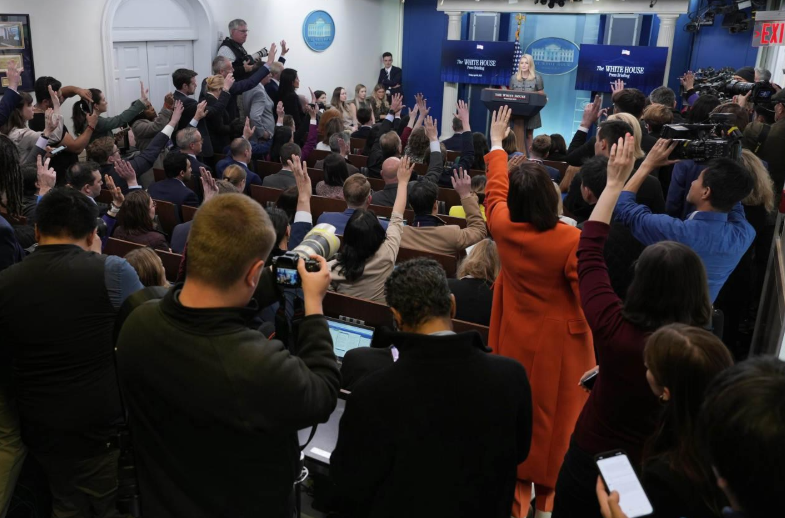
Obama’s comments did not go without scrutiny. The former president’s own administration faced criticism over its treatment of Fox News, giving political opponents an opportunity to question whether his current position was consistent with past actions.
The historical comparison has become a central part of the debate, with analysts distinguishing between disagreements with individual reporters, limited restrictions surrounding specific events and a broader effort to exclude entire news organizations.
The legal consequences soon became another major development. CNN, MS NOW and Politico challenged the administration’s decision in court, arguing that the restrictions violated constitutional protections and improperly targeted their reporting.
A federal judge subsequently ordered the administration to restore the organizations’ access on a temporary basis, finding potential legal problems with the way their credentials had been revoked. The broader dispute remained unresolved.
The court action demonstrated that the controversy was no longer limited to competing political statements. It had become a legal battle over the procedures and limits governing access to the White House.
For Obama, the episode also reflects a larger concern about how social media, political polarization and distrust of traditional journalism can shape public understanding of democratic institutions.
Trump and his allies maintain that their approach is intended to challenge media organizations they believe have failed to meet professional standards. Critics argue that such decisions must be governed by consistent rules rather than political grievances.
The dispute leaves an important question for future administrations: how can the White House enforce legitimate access requirements without allowing the president to punish journalists for critical reporting?
Obama’s comments have added a prominent voice to that debate, but the lasting consequences will depend on the courts, the administration’s policies and how future presidents handle disagreements with the press.
For now, the confrontation underscores a continuing struggle over presidential authority, independent journalism and the public’s right to receive information about its government. The debate remains unresolved, with both constitutional principles and the practical rules of White House access at stake.



