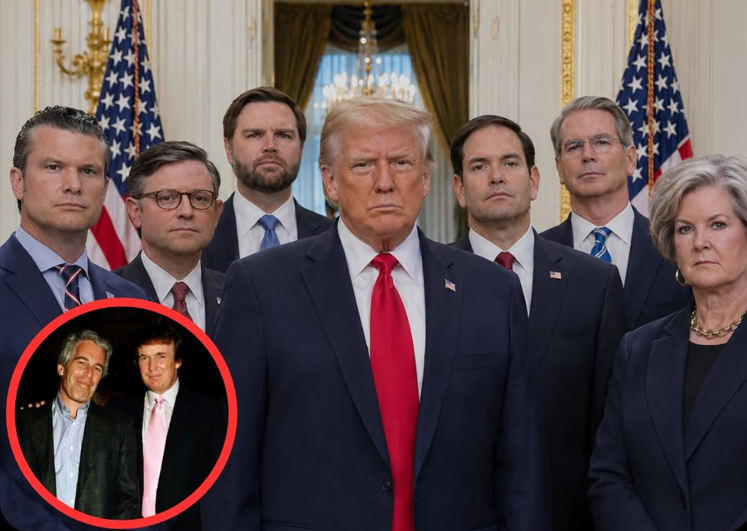
As American military operations against Iran continue, unanswered questions surrounding Jeffrey Epstein’s files are returning to the center of Washington’s political debate. Democrats are preparing to take control of Congress, raising the possibility of renewed investigations into the Justice Department and the Pentagon.
WASHINGTON, D.C. – November 7, 2026
The war with Iran is dominating international headlines, but another controversial issue remains unresolved in Washington: the government’s handling of records connected to convicted sex offender Jeffrey Epstein.
For Epstein’s survivors and Americans demanding transparency, the concern is that the continuing military conflict could push questions about the investigation out of the national conversation.
That concern comes at a critical political moment. Democrats won control of both the House and Senate in the November 3 midterm elections and are preparing to assume congressional leadership in January 2027. Their victory could give lawmakers new opportunities to examine the Trump administration’s handling of the Epstein records and its decisions involving Iran.
Epstein Files Remain Under Scrutiny
The Justice Department announced in January that it had released approximately 3.5 million pages of Epstein-related material under the Epstein Files Transparency Act.
However, questions about the completeness of the disclosure have not disappeared.
In an October 28 investigation, CBS News reported finding documents suggesting that classified material had been identified within the records collected by the Justice Department. Its investigation also identified gaps involving financial records and other documents.
The findings raise questions about how the department reviewed the material and determined what should be released.
The Justice Department has maintained that the unreleased records fall within legally permitted exceptions, including duplicate documents, privileged material, unrelated records, and other protected information.
A federal judge has also questioned aspects of the department’s redaction process, ordering additional explanations for certain withheld information.
Transparency, however, must not come at the expense of survivors. Victims’ names, identifying information, and sensitive personal records must remain protected.
Iran War Raises New Questions About Congressional Authority
Meanwhile, the military confrontation with Iran continues.
On Friday, November 6, President Donald Trump confirmed that American forces had carried out limited strikes against an Iranian air-defense installation near Qeshm Island.
The latest action followed earlier defensive strikes and came amid diplomatic efforts led by Qatar to prevent another escalation.
The conflict has also created growing political pressure on the administration, particularly as American voters express concerns about military operations, rising energy costs, and the absence of a clear path toward ending the confrontation.
Defense Secretary Pete Hegseth is facing increased scrutiny over the Pentagon’s management of the conflict.
According to The Washington Post, a congressional impeachment vote targeting Hegseth could take place next week, following an effort led by Republican Rep. Thomas Massie.
Incoming Democratic lawmakers are also expected to pursue broader investigations when the new Congress convenes in January.
Questions about the president’s constitutional authority to conduct sustained military operations without congressional authorization are likely to remain central to that debate.
Did the War Distract Americans From Epstein?
Some critics have suggested that the Iran conflict has diverted public attention from the Epstein scandal.
The timing has fueled political debate, particularly as military developments dominate television coverage and social media conversations.
But an important distinction remains: there is no established evidence that Trump launched the war against Iran specifically to distract Americans from the Epstein investigation.
That allegation should not be presented as a proven explanation for the administration’s military decisions.
Nevertheless, the public’s demand for transparency does not disappear simply because another international crisis has emerged.
A Test of Accountability for Washington
The coming congressional session could become an important test for lawmakers from both parties.
Democrats will have an opportunity to examine the Justice Department’s handling of Epstein records, investigate military decision-making, and demand answers from senior administration officials.
The goal should be straightforward: establish the facts, protect survivors, and hold government officials accountable when evidence supports it.
The Epstein investigation should not be forgotten. The Iran war should not escape legitimate congressional oversight. And allegations involving powerful individuals should be examined through evidence rather than political loyalty.
For survivors and millions of Americans seeking answers, the central question remains whether Washington is prepared to provide meaningful transparency.
Neither an international war nor political divisions should become an excuse for avoiding accountability.



