Growing military tensions in the Persian Gulf are pushing four regional powers toward a new security arrangement, but the latest development is not a coordinated offensive against Iran. Instead, senior officials from Iran, Saudi Arabia, Pakistan and Türkiye met in Tehran on October 26 to discuss regional security and ways to prevent another major escalation.
The meeting comes as the United States warns its Middle Eastern allies to prepare for possible renewed military action against Iran after the November 3 U.S. midterm elections. Meanwhile, missile and drone attacks involving Iran-aligned groups continue to threaten regional infrastructure, shipping routes and American interests.
The diplomatic and military developments reveal a region facing two competing possibilities: renewed confrontation or an agreement that could prevent another dangerous round of fighting.
Four Countries Meet in Tehran
The October 26 meeting brought together senior representatives from four countries:
-
Iran: Mohsen Rezaei, secretary of the Supreme National Security Council.
-
Saudi Arabia: Defense Minister Prince Khalid bin Salman.
-
Pakistan: Army Chief Field Marshal Asim Munir.
-
Türkiye: Intelligence chief Ibrahim Kalin.
According to Reuters, the discussions focused on regional security, establishing channels for negotiations and preventing further military escalation.
The four governments agreed to continue dialogue aimed at strengthening cooperation on peace and security. Pakistani officials also discussed a possible compromise that could help restart negotiations between Washington and Tehran.
The meeting is particularly significant because Saudi Arabia, Pakistan and Türkiye signed the Mecca mutual-defense agreement in August 2026. That agreement calls for members to use necessary means to address threats against one another’s territorial integrity and sovereignty.
However, the agreement does not mean the three countries have announced a joint offensive against Iran. Their October meeting with Tehran instead demonstrated an effort to establish regional communication and reduce the risk of further conflict.
Gulf Countries Face Continuing Security Risks
The diplomatic discussions are taking place against a backdrop of serious regional damage.
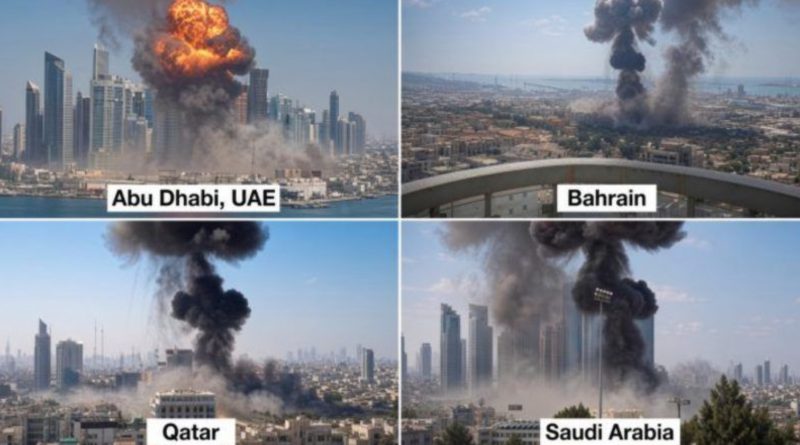
A Reuters investigation published October 15 found that Iran and allied groups had carried out at least 135 missile and drone attacks against 84 infrastructure sites across Gulf Arab states since the U.S. and Israel began bombing Iran on February 28.
The affected countries included Saudi Arabia, the United Arab Emirates, Iraq, Qatar, Kuwait, Oman and Bahrain.
Targets included oil facilities, airports, energy infrastructure and industrial sites. Reuters reported that strikes damaged critical equipment at Qatar’s Ras Laffan gas complex and disrupted operations at the UAE’s Fujairah port.
The investigation also documented attacks on facilities in Kuwait and Bahrain. These developments demonstrate why Gulf governments are increasingly concerned about protecting infrastructure that supports their economies and international energy supplies.
Washington Warns of Possible New Military Action
The United States is also preparing for the possibility of another escalation.
On October 29, The Associated Press reported that American officials had privately warned several Middle Eastern governments to prepare for potential renewed strikes against Iran after the November 3 elections.
President Donald Trump has not made a final decision, according to the diplomats cited by AP. However, regional allies were reportedly advised to prepare for possible Iranian retaliation against energy facilities and other critical infrastructure.
The Pentagon has also deployed approximately 9,000 additional troops and naval forces to the Persian Gulf, increasing the American military presence in the region.
Iran, meanwhile, has continued signaling that it wants diplomacy to remain an option. Its foreign minister said Tehran was reviewing proposals that could provide a basis for renewed negotiations.
Saudi Arabia Faces Another Threat
Saudi Arabia has also faced renewed pressure from Yemen’s Iran-aligned Houthi movement.
On October 29, Saudi authorities reported intercepting two ballistic missiles launched toward Riyadh. The Houthis separately claimed responsibility for additional attacks against Saudi targets, although the Associated Press said those broader claims could not be independently verified.
The continuing attacks have complicated regional diplomacy and increased concerns about the security of energy infrastructure and transportation networks.
The Strait of Hormuz Remains a Global Concern
The conflict is also affecting international shipping.
The Strait of Hormuz is a critical route for global energy supplies, and continued military tensions have disrupted commercial traffic. Any additional confrontation involving Iran, the United States or regional allies could create further economic consequences.
For now, the October 26 meeting offers a diplomatic opening, but no lasting settlement has been reached.
The key development is not four countries preparing a confirmed joint attack. It is four governments attempting to coordinate regional security while the risk of another military escalation remains high. Whether diplomacy can succeed before the next round of fighting remains one of the region’s most important unanswered questions.



