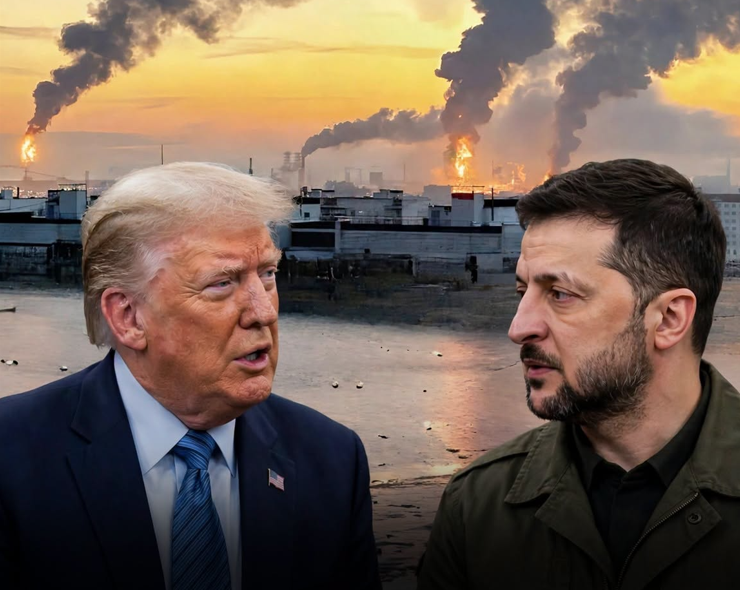
KYIV / MOSCOW — November 7, 2026 — Ukraine says it is continuing its campaign against Russia’s oil-refining industry after a new wave of reported strikes on Russian industrial facilities, putting further pressure on an energy ceasefire initiative announced by President Donald Trump last month.
Ukrainian President Volodymyr Zelenskyy said Friday that operations targeting Russia’s oil sector remain underway in response to continued Russian attacks on Ukraine’s power plants, energy networks, heating systems and water infrastructure.
“The operation against the Russian oil refining sector is continuing,” Zelenskyy said in a statement. He added that Ukraine had identified further responses to Russian attacks.
Fresh Attacks Reported Near Major Russian Refineries
The latest developments follow reports of drone attacks on Russian oil-industry facilities in Yaroslavl and Ryazan.
According to Reuters, the Yaroslavl refinery was reportedly targeted overnight on Monday, November 2. The Ryazan refinery, one of Russia’s largest, appeared to have come under attack overnight on November 4–5, based on Reuters video analysis.
Russian regional authorities reported attacks on industrial sites and fires, but Ukrainian officials had not specifically claimed responsibility for those two latest refinery incidents as of November 6.
The developments follow an earlier confirmed Ukrainian strike on the Ryazan refinery on October 15. A Ukrainian official told Reuters that the facility had been hit in response to Russian missile and drone attacks on Ukrainian energy infrastructure.
Why Zelenskyy Said “We’re Done”
The dispute intensified after Trump announced an “energy ceasefire” on October 11, declaring that Russia and Ukraine had agreed to stop attacking energy infrastructure.
However, the announcement came without detailed terms. Ukraine said Russian attacks on its energy facilities continued, and Zelenskyy indicated that Kyiv was prepared to stop targeting Russian energy infrastructure only if Moscow did the same.
Four days later, Zelenskyy told the Financial Times: “The block (on attacking refineries) is out. We’re done.”
His statement followed renewed Russian attacks, including strikes on Ukrainian power infrastructure. The October 15 refinery strike marked a significant breakdown in the proposed pause.
Russian Diesel Supplies Add a U.S. Dimension
The refinery campaign is also becoming an energy-market issue.
Ukraine’s earlier attacks had forced significant Russian refining capacity offline, contributing to domestic fuel shortages and export restrictions. Russia partially lifted its diesel export restrictions following an October arrangement involving the Trump administration and Moscow.
Reuters reported on November 5 that at least six Russian diesel cargoes had indicated plans for transatlantic voyages. However, no Russian diesel shipment had arrived in the United States under the arrangement at that time. The first observed U.S.-bound shipment was expected in New York over the weekend, although regulatory and sanctions questions could affect whether it is unloaded.
What Happens Next?
The competing attacks highlight how difficult it has been to establish a meaningful pause in strikes on energy infrastructure.
Trump has repeatedly urged Ukraine to stop attacking Russian refineries, arguing that the strikes contribute to higher diesel prices. Zelenskyy, meanwhile, says Ukraine is prepared to halt its campaign if Russia stops attacking Ukrainian energy facilities.
With further U.S.-Russia-Ukraine talks scheduled to resume on November 10, the future of the energy truce could become an important issue in diplomatic discussions.
For now, the proposed ceasefire remains under serious pressure. Ukraine says its refinery operations will continue, while renewed attacks on both countries’ energy infrastructure threaten to deepen the conflict’s military and economic consequences.



