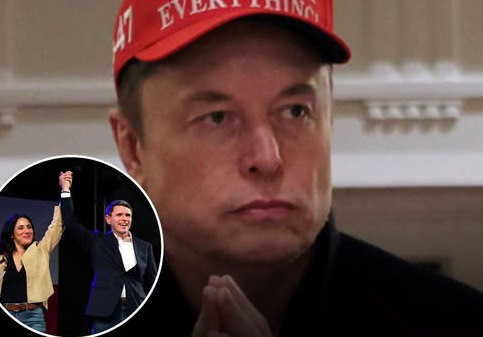
Billionaire Elon Musk poured hundreds of millions of dollars into the 2026 election cycle, but his heavily backed Republican candidates suffered major defeats in Texas. Democrat James Talarico defeated Ken Paxton in the U.S. Senate race, while Gina Hinojosa defeated Republican Governor Greg Abbott, ending three decades of Republican control of the Texas governor’s office.
The results are particularly significant because Musk’s business interests and personal base are now closely tied to Texas. His political spending was also unusually large: a New York Times analysis estimated that he contributed $474 million to political groups nationally, including approximately $224 million connected to political efforts in Texas.
1. Texas Delivers a Major Political Surprise
The November 3 election produced two major Democratic victories in a state long considered a Republican stronghold.
James Talarico defeated Republican Attorney General Ken Paxton in the U.S. Senate race, winning by more than 12 percentage points according to post-election reporting. Talarico’s victory gives Democrats their first Texas Senate win in more than three decades.
In the governor’s race, Democratic state Representative Gina Hinojosa defeated incumbent Greg Abbott, becoming the first Hispanic person elected governor of Texas.
The results were significant for Musk because he had supported Republican candidates in both contests. Paxton received extensive backing from Republican-aligned political groups funded by Musk, while Abbott was also among the beneficiaries of his political spending.
2. The Nearly Half-Billion-Dollar Political Investment
A November 2 analysis by The New York Times, reported through the Philadelphia Inquirer, estimated that Musk had contributed approximately $474 million to federal and state political groups since January 1, 2025.
The estimate included approximately $216 million directed to his own America PAC, $168 million to the Senate Leadership Fund, $30 million to the Congressional Leadership Fund, and additional contributions to other Republican political organizations.
These figures represent disclosed contributions to political groups, not simply checks written directly to individual candidates. The analysis used federal, state, and nonprofit financial records. It also warned that the estimate could be incomplete because some donations were not publicly disclosed and federal filings covered information only through October 14.
The Texas portion was estimated at approximately $224 million. Much of the money was connected to efforts supporting Paxton, including super PAC spending and political contributions.
3. Talarico Turns Billionaire Influence Into a Campaign Issue
Musk’s financial support became a major talking point in the Texas Senate campaign.
Talarico repeatedly portrayed the contest as a struggle between ordinary Texans and wealthy political donors attempting to influence government decisions.
His campaign criticized Paxton’s relationship with powerful donors and highlighted the enormous amount of outside money entering the race.
The fundraising difference was also significant. Talarico announced that he had raised $64 million during the third quarter of 2026, a record-breaking amount for a Senate candidate during that period. Paxton reported approximately $18 million in third-quarter fundraising.
By the end of the contest, the amount spent on advertising by the campaigns and their aligned political groups exceeded $573 million, according to reporting by The Verge.
4. Why Texas Matters to Musk
Texas is more than a political battleground for Musk. It is central to his business operations.
Tesla moved its corporate headquarters from California to Austin in 2021. Musk announced in July 2024 that SpaceX would move its headquarters from Hawthorne, California, to Starbase, Texas. SpaceX’s October 2026 filing with the Securities and Exchange Commission lists its principal executive offices in Starbase.
Musk also moved his personal residence from California to Texas, according to Associated Press reporting in 2024.
The state’s business environment, manufacturing facilities, rocket operations, and political relationships have made Texas an important base for his companies.
The election results therefore create a new political environment for a business empire that has become increasingly connected to the state.
5. Tesla and SpaceX Shares Drop After Election Results
Financial markets also reacted to the Democratic victories.
On November 4, Reuters reported that Tesla and SpaceX shares fell approximately 4.5% to 5% on Europe’s Tradegate trading platform during early trading.
The Wall Street Journal reported somewhat smaller premarket declines in its market coverage, putting SpaceX down approximately 3.6% and Tesla down 3.5%.
Market analysts suggested that Democratic control of Congress could increase scrutiny of Musk’s businesses, including federal contracts, artificial intelligence regulation, and a proposed Tesla–SpaceX combination.
However, early stock movements should not be confused with confirmed long-term losses. Prices varied across trading platforms, and broader market conditions also influenced investor sentiment.
6. What the Election Means for Musk’s Political Influence
Musk’s spending did not translate into victory for the Texas Republicans he supported. Talarico and Hinojosa both prevailed, demonstrating that even extraordinary financial resources do not guarantee electoral success.
For Democrats, the results provide an opportunity to examine the relationship between wealthy donors, political organizations, government contracts, and policymaking.
For Musk, the election creates a different challenge: maintaining relationships with a new political leadership in a state where his companies have substantial investments and operations.
The central lesson from Texas is not that political money has become irrelevant. It is that enormous financial spending cannot guarantee that voters will support the candidates receiving it.
Musk remains one of America’s most influential business figures, but the 2026 election has demonstrated that his political spending does not automatically translate into control over the ballot box.



