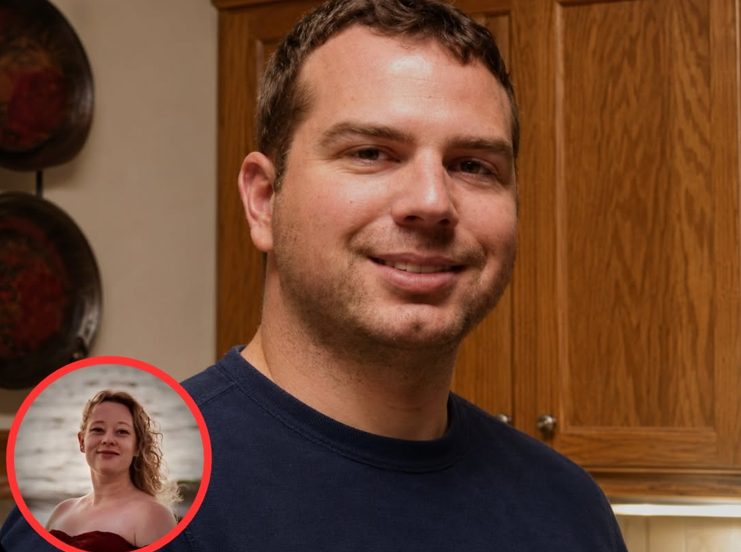
Months after 37-year-old Renee Nicole Good was fatally shot by ICE agent Jonathan Ross in Minneapolis, her family is demanding accountability. A new dispute over withheld evidence has raised fresh questions about the investigation and the federal government’s cooperation with Minnesota authorities.
MINNEAPOLIS, MINNESOTA — November 7, 2026
The family of Renee Nicole Good is continuing its fight for answers after the 37-year-old mother of three was fatally shot by Immigration and Customs Enforcement officer Jonathan Ross during a federal immigration operation on January 7, 2026.
Now, nearly ten months later, the investigation is facing another major obstacle.
Minnesota officials say the Trump administration has again stopped sharing crucial evidence needed for state investigators to examine the shooting independently.
The latest development has renewed questions about transparency, federal accountability, and whether state authorities will have access to the evidence necessary to determine whether criminal charges are warranted.
What Happened to Renee Nicole Good?
Good was shot inside her SUV during an immigration enforcement operation in south Minneapolis.
Bystander videos captured the confrontation, showing Good inside her vehicle as federal immigration officers approached and ordered her to get out.
The footage shows an officer firing through the windshield as the vehicle began moving, followed by additional shots near the driver’s-side window as the vehicle turned away.
Associated Press video analysis documented the sequence of events.
Federal officials defended the shooting, arguing that Ross acted in self-defense because they believed Good’s vehicle posed a threat to officers.
However, the footage and competing interpretations of the encounter prompted widespread public criticism and calls for an independent investigation.
Good’s death became a major flashpoint in the national debate over federal immigration enforcement.
Minnesota Says Critical Evidence Is Still Being Withheld
The dispute over the investigation has continued for months.
Initially, Minnesota’s Bureau of Criminal Apprehension expected to work jointly with the FBI. However, the FBI subsequently became the sole investigative agency, leaving state authorities without the access they said they needed.
In March, Minnesota officials sued the federal government to obtain evidence related to shootings involving federal agents during Operation Metro Surge.
Although federal authorities began sharing some materials in July, the cooperation did not last.
According to court filings reported by the Associated Press on October 22, evidence transfers were halted after September 10.
Among the outstanding materials is the cellphone belonging to Ross, along with Good’s clothing and recordings of investigative interviews.
The Justice Department argues that federal regulations give it discretion over whether to release certain investigative materials to state authorities.
No criminal charges have been filed in connection with Good’s death, according to the latest Associated Press reporting.
Her Family Takes the Fight to Court
On October 1, Good’s family announced two civil lawsuits against the federal government, Ross, and several current and former Trump administration officials.
The lawsuits allege wrongful death, excessive use of force, civil-rights violations, and broader misconduct connected to the immigration crackdown.
Her partner, Becca Good, and brother Brent Ganger have publicly demanded accountability.
The legal claims remain allegations that must be resolved through the judicial process.
The family says it wants answers about the decisions made during the operation and the government’s subsequent handling of the investigation.
A National Debate Over ICE Accountability
Good’s death has also intensified calls to abolish ICE, alongside broader demands for changes to federal immigration enforcement policies.
Protesters across the country have held demonstrations calling for justice, greater oversight, and restrictions on the agency’s use of force.
The debate extends beyond one officer or one shooting. It concerns the limits of federal law enforcement authority and the responsibility of government agencies to investigate serious incidents involving their own personnel.
For Good’s family, however, the issue remains deeply personal.
A mother of three lost her life, and her children and loved ones are still waiting for answers.
The central questions remain: What happened during those final moments? Why has evidence sharing become another source of conflict? And will an independent investigation ultimately establish whether anyone should face criminal accountability?
Renee Good’s family is demanding answers. Minnesota officials are demanding access to evidence. And the American public is still waiting to see whether this case will receive the transparent investigation it deserves.



