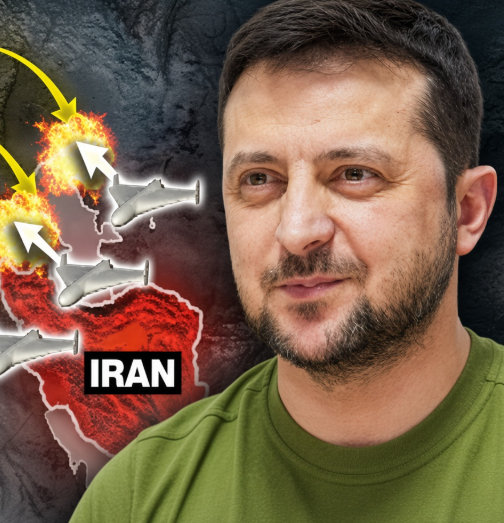
Ukraine is developing a new generation of interceptor drones, electronic warfare systems and automated air defenses to counter Russia’s increasingly dangerous Shahed attacks. After years of battling Iranian-designed drones, Ukrainian engineers and military units are adapting their defenses to a more advanced threat: faster, jet-powered attack drones that can reach hundreds of kilometers per hour.
The technological competition is becoming increasingly important as Russia expands production and uses unmanned aircraft to attack Ukrainian cities, energy facilities and critical infrastructure.
Russia’s New Shahed Drones Are Harder to Intercept
Russia initially relied heavily on relatively slow, propeller-driven Shahed drones based on an Iranian design. Ukraine gradually developed effective ways to detect and destroy them using radar, electronic warfare, mobile fire teams and inexpensive interceptor drones.
According to Reuters, Ukrainian defenses previously achieved interception rates of approximately 90% against conventional propeller-driven Shaheds.
However, Russia has introduced faster jet-powered versions that are much harder to stop.
Ukrainian military data reviewed by Reuters showed that Russian launches of drones traveling between 240 and 500 kilometers per hour increased from approximately 450 in June to 2,850 in August 2026. Russia’s production of jet-powered drones was estimated by Ukrainian defense intelligence at around 3,000 per month.
New Interceptor Drones Offer a Different Defense
One promising development is Ukraine’s domestically manufactured JEDI Shahed Hunter.
Authorized for operational use in March 2026, the system uses a high-speed interceptor drone designed to destroy incoming Shahed-type aircraft. According to Ukraine’s Defense Ministry, it can reach speeds exceeding 350 kilometers per hour, operate at altitudes of up to six kilometers and receive target information directly from radar systems.
Another breakthrough involves automated interception technology.
In June, Ukraine’s Brave1 defense innovation platform announced that a Ukrainian system had successfully completed combat testing in the Kharkiv region. The technology reportedly automates approximately 95% of the interception process, allowing a human operator to select a target before the system guides the interceptor toward it.
Electronic Warfare and F-16 Fighters Join the Fight
Interceptor drones are only one part of Ukraine’s evolving defense strategy.
Electronic warfare systems can interfere with satellite-navigation signals, while connected radar networks help identify incoming threats and direct defensive units toward them.
However, Reuters reported that some newer Russian drones use advanced multi-channel antennas that make them more resistant to conventional electronic jamming. This means Ukraine needs several complementary defense technologies rather than relying on one solution.
Ukraine is also relying on fighter aircraft.
On October 17, President Volodymyr Zelenskyy said Ukrainian Air Force aircraft were responsible for destroying approximately 55–60% of intercepted jet-powered Shahed drones. He also announced additional ammunition for F-16 fighters, cheaper missiles and expanding production of automated defensive turrets.
Germany and Ukraine Strengthen Defense Cooperation
International cooperation is becoming another important element.
On October 8, Ukrainian Defense Minister Evgeniy Khmara and German Defense Minister Boris Pistorius discussed strengthening air defenses, joint drone production and electronic warfare solutions designed to counter jet-powered Shaheds.
Ukraine said some systems were already being evaluated and successful technologies would be expanded.
Has Ukraine Made Shahed Drones Obsolete?
Not yet.
The evidence shows that Ukraine has developed increasingly sophisticated defenses, but Russia’s newer jet-powered drones continue to challenge air-defense crews.
The Associated Press reported in October that manufacturers were racing to develop faster interceptors, improve artificial intelligence guidance and overcome production bottlenecks. Some promising designs have worked in testing, but manufacturing enough systems remains a major challenge.
The battle between Russian attack drones and Ukrainian defenses is becoming a race of technology, speed and industrial production. Ukraine is finding new ways to reduce the threat, but the Shahed campaign is far from over.



