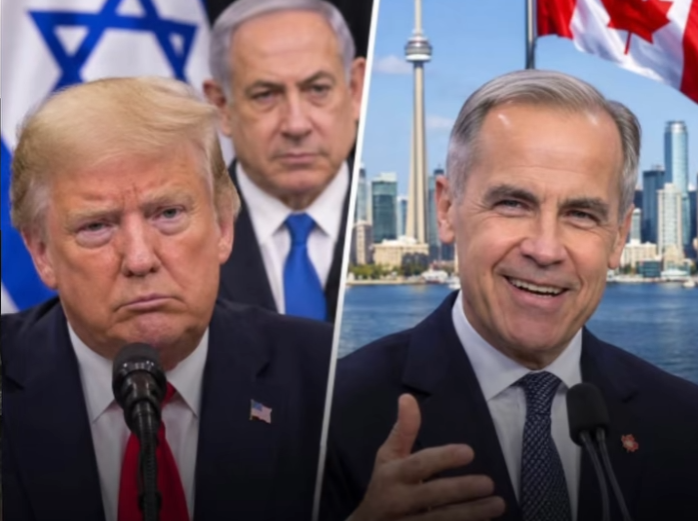
President Donald Trump has acknowledged that the war with Iran contributed to the Republican Party’s devastating losses in the November 3 midterm elections, but he insists that launching the military campaign was the right decision.
In interviews following the Democratic victories, Trump admitted that Iran was “a piece of it” when discussing why Republicans lost control of Congress. He also acknowledged that American voters were unwilling to accept the increased cost of gasoline associated with the conflict.
Despite the political consequences, Trump made one thing clear: he has no regrets about going to war.
1. Trump Acknowledges the Political Cost of the Iran War
Speaking with Fox News on Tuesday night, November 3, Trump was asked whether the conflict contributed to the Republican Party’s poor election performance.
“I think a part of it was Iran,” he responded.
In a separate interview with The Wall Street Journal, he repeated the assessment, saying, “Iran was a piece of it.”
The comments marked an acknowledgment that the nearly nine-month conflict had become a political liability for Republicans during an election in which voters delivered Democrats control of both the House and Senate.
However, Trump rejected the suggestion that the military operation was a mistake.
“I did the right thing,” he told the Journal. “I would have done it again.”
His comments reveal the tension between his foreign-policy objectives and the domestic political consequences of the conflict.
2. Gasoline Prices Become a Major Election Issue
One of the biggest problems facing Republicans during the campaign was the rising cost of energy.
The U.S.-Israeli war with Iran, which began in late February 2026, disrupted regional energy markets and intensified concerns about shipping through the Strait of Hormuz, one of the world’s most important oil transportation routes.
As uncertainty spread through energy markets, American consumers faced higher gasoline and diesel prices.
Before the midterm elections, the Associated Press reported that the national average gasoline price had reached $4.48 per gallon, approximately $1.27 higher than one year earlier.
Trump attempted to defend the increase, describing higher fuel costs as a relatively small sacrifice compared with the administration’s stated objective of preventing Iran from obtaining nuclear weapons.
But that argument created political difficulties for Republican candidates, particularly among working families, independent voters, truck drivers, and small-business owners who depend on affordable fuel.
3. Polling Shows How Much the War Mattered to Voters
The conflict was not the only issue influencing the election, but polling suggests it played a significant role.
A Fox News survey conducted between October 19 and Election Day found that 74% of respondents considered the Iran war a crucial or major factor in their congressional voting decisions.
Separately, the Associated Press Voter Poll found that nearly 90% of voters considered the cost of living a crucial or major factor in their decisions.
Approximately three-quarters described the economy as not very good or poor, while nearly 80% said inflation had caused their households moderate or severe financial hardship during the previous year.
These figures suggest that the war’s political effects were closely connected to broader economic dissatisfaction.
Importantly, they do not prove that every voter who opposed Republican candidates did so because of Iran. Inflation, housing costs, government corruption, and dissatisfaction with the administration also influenced the results.
4. Democrats Take Control of Both Chambers of Congress
The November 3 election delivered a major political setback for the Republican Party.
Democrats won control of the House of Representatives and the Senate, reversing the Republican advantage that had supported Trump’s legislative agenda.
Democratic candidates scored important victories in traditionally Republican states, including Texas, Kansas, South Carolina, Iowa, and Ohio.
The results mean Trump will face a substantially different political environment when the new Congress takes office in January 2027.
Democratic leaders have already indicated that they intend to increase congressional oversight, investigate decisions made by the administration, and challenge parts of Trump’s domestic and foreign-policy agenda.
The shift also gives Democrats greater influence over congressional hearings, legislation, government funding, and presidential nominations.
5. The Human and Military Cost of the Conflict
Beyond the political debate, the war has carried significant consequences for American military personnel.
According to Defense Department figures reported by Stars and Stripes on November 4, the conflict had resulted in 11 U.S. combat deaths, another 12 deaths classified as non-hostile, and more than 850 American service members injured.
The conflict has also involved continuing threats to shipping and military operations around the Persian Gulf.
These developments have increased pressure on the administration to explain the war’s objectives, its expected duration, and the conditions required for a lasting agreement with Tehran.
Trump has offered changing timelines for the conflict, at times threatening intensified military action while also suggesting that negotiations could end the fighting.
6. An Increasingly Difficult Decision for Trump
Trump now faces a difficult political and strategic challenge.
He continues to argue that the military campaign was necessary to protect American security and prevent Iran from acquiring nuclear weapons. At the same time, he has acknowledged that the economic consequences contributed to Republican electoral losses.
Vice President JD Vance offered an even more direct assessment, writing on November 4 that “the reason we lost is the war.”
The difference in their language highlights the debate within Republican leadership over whether the conflict’s political cost was justified.
For now, Trump has refused to abandon his position and has indicated that he remains committed to the objectives of the military operation.
The 2026 midterm elections have demonstrated that foreign policy and household finances can become closely connected political issues. For Trump, the challenge is now to pursue his stated security objectives while dealing with the economic and political consequences at home.



