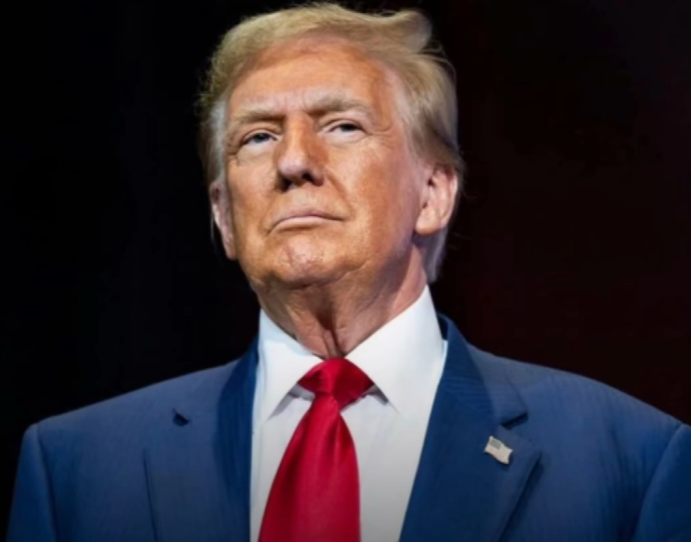
With Democrats winning control of both chambers of Congress in the November 3 midterm elections, President Donald Trump is preparing to face a new wave of congressional oversight when the next Congress convenes in January 2027.
Democratic leaders have promised investigations into the administration, its financial relationships, federal law-enforcement operations, and major policy decisions. Impeachment is also being discussed, although party leaders have not committed to pursuing it.
The debate raises a fundamental constitutional question: How should Congress investigate allegations of presidential misconduct while ensuring that accountability is based on evidence rather than political retaliation?
1. Democrats Prepare to Use Their New Congressional Power
The election results have fundamentally changed the political balance in Washington.
Democrats are preparing to assume control of the House and Senate on January 3, 2027, ending unified Republican control of Congress.
House Democratic Leader Hakeem Jeffries, who is positioned to become the next speaker, has promised a broad oversight agenda. He has emphasized that the new majority intends to examine government decisions and investigate allegations of corruption and abuses of power.
The House Oversight Committee is expected to examine several areas, including Trump’s business interests, the administration’s handling of immigration enforcement, and the financial relationships surrounding major government projects.
Democrats have also discussed investigations involving the Justice Department, federal agencies, and the administration’s foreign-policy decisions.
The Associated Press reported that lawmakers are already preparing potential hearings, document requests, and subpoenas before officially taking control of their committees.
2. What Could the Investigations Examine?
Several issues are already attracting congressional attention.
One area involves Trump’s personal business interests and the financial activities of members of his family. Democratic lawmakers want to examine whether government decisions have created conflicts of interest or benefited private business relationships.
Another potential investigation concerns federal immigration operations, including allegations of civil-rights violations involving detained immigrants and people affected by enforcement actions.
Lawmakers have also identified questions involving private funding for national celebrations, federal agency closures, foreign-policy decisions, and the administration’s handling of military operations.
These are proposed investigative subjects, not established findings of criminal wrongdoing. A congressional inquiry can uncover documents, collect testimony, and identify potential violations, but its conclusions must be based on evidence.
3. Impeachment Is Possible, but Not Guaranteed
One of the most consequential options available to the new House majority is impeachment.
Under Article I of the Constitution, the House of Representatives has the sole power to impeach federal officials. A simple majority can approve articles of impeachment, which formally accuse an official of serious misconduct.
The process then moves to the Senate, where a trial determines whether the official should be convicted and removed from office.
Conviction requires a two-thirds majority of senators present.
Trump has already been impeached twice during his first presidential term, in 2019 and 2021. Both cases ended in Senate acquittals.
Democratic leaders have not ruled out a third impeachment, but the Associated Press reported that some lawmakers may prefer to concentrate initially on investigations and potential impeachment proceedings involving Cabinet officials.
House Democratic Leader Jeffries has said that the party has not ruled everything in or out.
This approach would allow committees to gather evidence before deciding whether more serious constitutional action is justified.
4. Can a President Face Criminal Prosecution?
A congressional investigation and a criminal prosecution are two different legal processes.
Congress can investigate government conduct, issue subpoenas, conduct hearings, and refer potential violations to appropriate authorities. However, lawmakers cannot simply declare a president guilty of a crime.
The Justice Department’s Office of Legal Counsel has maintained since 2000 that indicting or criminally prosecuting a sitting president would unconstitutionally interfere with the executive branch’s ability to perform its duties. That is an established Justice Department legal position, although it is not a Supreme Court ruling directly deciding every possible prosecution scenario.
There is also an important Supreme Court decision involving presidential immunity.
In Trump v. United States (July 1, 2024), the Supreme Court ruled that former presidents have absolute criminal immunity for conduct within their exclusive constitutional authority, at least presumptive immunity for other official acts, and no immunity for unofficial acts.
That decision means any future criminal case involving presidential conduct would require careful examination of the specific actions involved and whether constitutional immunity applies.
5. The Political Challenge Facing Democrats
Democrats will face pressure from voters who expect investigations into the Trump administration to produce meaningful answers.
However, they will also need to demonstrate that congressional oversight is not simply an extension of the election campaign.
Investigations require documents, credible witnesses, committee resources, and careful legal analysis. Subpoenas may also be challenged in court, and the administration could resist requests for certain documents or testimony.
Republicans, meanwhile, are expected to argue that Democratic investigations risk distracting Congress from economic priorities and other national concerns.
The challenge for both parties will be balancing their political interests with Congress’s constitutional responsibilities.
6. Accountability or Political Retaliation?
The debate over Trump’s accountability is larger than one president or one political party.
Supporters of investigations argue that presidential authority must remain subject to congressional oversight and the rule of law. Critics warn that investigations without clearly established evidence could become politically motivated attempts to weaken an elected administration.
Both constitutional principles matter: presidents are not exempt from legitimate legal scrutiny, but investigations and prosecutions must also respect due process and established legal protections.
The central question entering 2027 is whether the new Congress can turn its promises of accountability into evidence-based investigations that withstand legal and public scrutiny.
Democrats now have the congressional power to investigate. Whether that process leads to legislative reforms, referrals for further investigation, impeachment proceedings, or other legal consequences will depend on what the evidence establishes.



