Subheadline: Republican and Democratic senators are demanding that President Donald Trump abandon his plan to allow Russian diesel into American markets, arguing that the move could undermine sanctions intended to limit Moscow’s financing of its war against Ukraine.
WASHINGTON — October 12, 2026 — A bipartisan group of U.S. senators is challenging President Donald Trump’s plan to allow Russian diesel imports, warning that the decision could conflict with federal law and provide Russian President Vladimir Putin with additional revenue while Moscow’s war against Ukraine continues.
In a statement released Sunday, October 11, the lawmakers called on the administration to “immediately reverse course” on the agreement, which Trump announced after a phone conversation with Putin on Friday. The dispute has opened a new divide in Washington over whether lowering domestic fuel costs justifies easing restrictions on Russian energy exports.
The controversy comes as American diesel prices remain elevated and the November 3 midterm elections approach. The White House argues that increasing available fuel supplies could help consumers and businesses, while critics say the plan risks weakening a sanctions policy designed to pressure Russia over its invasion of Ukraine.
Which Senators Are Challenging the Deal?
The lawmakers opposing the plan include Republicans Susan Collins of Maine, Lisa Murkowski of Alaska, Thom Tillis of North Carolina and John Curtis of Utah.
Democratic senators Jeanne Shaheen of New Hampshire and Richard Blumenthal of Connecticut also signed the statement cited by the Associated Press. Reuters subsequently reported that Oregon Democrat Ron Wyden had joined the group, bringing its count to seven in the later report.
The senators said the administration had failed to consult Congress adequately or provide the explanation they believe federal law requires for its decision.
Their central argument is that American energy policy should not provide Moscow with additional revenue while Russia continues military operations in Ukraine.
“The United States should not provide Putin with a financial lifeline while Russia continues to kill Ukrainian civilians,” the lawmakers said in their statement, calling for the administration to reverse the decision.
The bipartisan criticism is significant because it shows that opposition to the plan extends beyond Democrats and includes Republicans concerned about sanctions enforcement and American support for Ukraine.
What Did Trump Promise Putin?
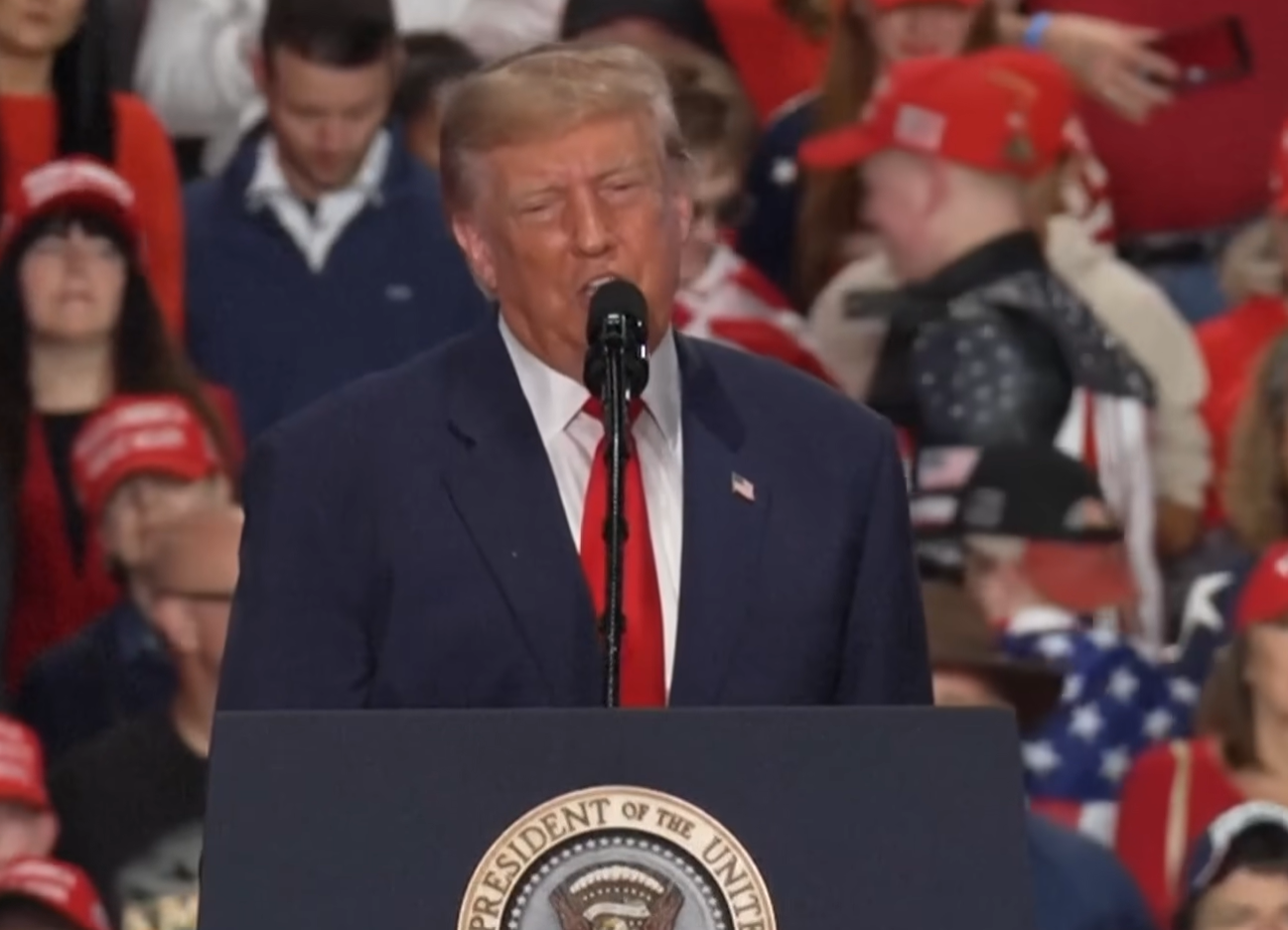
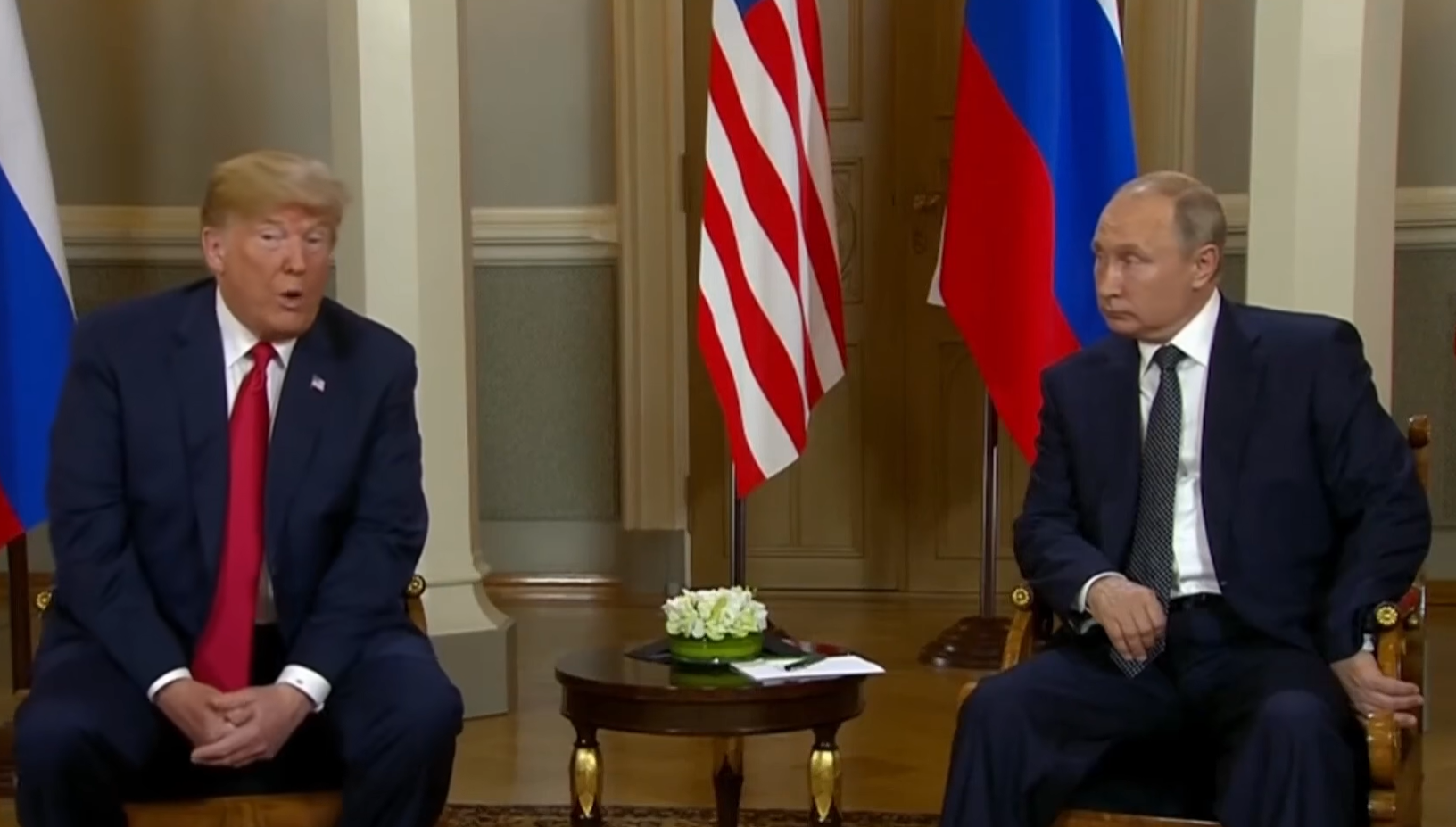
Trump announced the arrangement on social media Friday after speaking with Putin. He said Russia had agreed to supply diesel to the United States and international markets in an effort to increase available supplies and ease pressure on fuel prices.
According to Trump’s announcement, the proposed deliveries include more than 300,000 metric tons initially, followed by another 500,000 metric tons in November and 1 million metric tons afterward. He also outlined a further shipment of approximately 3 million metric tons within a relatively short period.
The administration subsequently took steps to facilitate the arrangement by temporarily easing U.S. sanctions affecting certain Russian fuel shipments.
The policy represents a notable shift from the restrictions Washington introduced after Russia launched its full-scale invasion of Ukraine in February 2022.
At that time, the United States prohibited Russian oil and petroleum-product imports as part of a broader effort to restrict Moscow’s energy revenue and increase the economic cost of the war.
The proposed shipments have been announced, but the full commercial terms, payment arrangements and eventual delivery volumes have not been independently established in public reporting.
Why Senators Say the Plan Could Break the Law
The senators argue that the diesel proposal conflicts with the 2022 congressional ban on Russian energy imports.
They also point to recently enacted legislation intended to increase economic pressure on Russia by directing the administration to impose substantial tariffs on certain countries that continue buying Russian oil or natural gas, subject to specified exceptions.
The broader objective of these measures is to reduce the revenue Russia receives from energy exports and limit the resources available to sustain its military campaign.
Republican Sen. Thom Tillis questioned whether the proposed diesel arrangement complies with federal law. In an interview with NBC’s Meet the Press, Tillis said there was a legitimate argument that the president could be acting unlawfully if the administration proceeded with the plan.
However, the legal dispute has not been resolved by a court. The administration maintains that it can use existing legal authorities to implement the arrangement.
Treasury Secretary Scott Bessent defended the policy on Fox News, saying the administration would proceed using what it considers its available legal powers and arguing that the agreement would benefit Americans.
The competing interpretations mean that the legality of the plan remains a contested issue, rather than an established violation.
Will Russian Diesel Actually Lower U.S. Fuel Prices?
The administration’s main economic argument is that additional supply could ease pressure on diesel prices.
Diesel is essential to trucking, agriculture, construction, freight transportation and home heating. Higher prices increase costs for businesses that move goods and operate heavy machinery, and those expenses can eventually affect consumers.
Diesel prices had reached a national record of $6.53 per gallon on September 22, according to figures cited by the Associated Press. Prices remained around $6.28 per gallon on October 9, putting further pressure on businesses and households.
But energy analysts have questioned whether the proposed Russian shipments would make a meaningful difference.
Richard Nephew, a senior research scholar at Columbia University’s Center on Global Energy Policy, said the total announced volume appeared to be less than the amount of diesel the United States consumes in a single day.
That raises doubts about whether the agreement could materially reduce prices nationwide, particularly if transportation costs, refinery disruptions and wider geopolitical tensions continue to constrain fuel markets.
Critics also argue that Russia could benefit financially from renewed access to American buyers without the United States receiving significant price relief in return.
Ukraine and Allies Raise Concerns
The dispute is also creating diplomatic problems for Washington.
Ukrainian officials have warned that relaxing restrictions on Russian energy sales could provide Moscow with additional resources while the war continues. Canada’s government has likewise criticized the agreement, arguing that it conflicts with efforts by Ukraine and allied countries to pressure Russia toward a durable peace.
For critics, the timing is especially troubling because the United States has spent years coordinating sanctions with European partners to reduce Russia’s energy revenue.
Supporters of Trump’s approach argue that the president is attempting to address urgent domestic energy costs while retaining leverage in negotiations with Putin.
The disagreement reflects a broader foreign-policy question: how should Washington balance the immediate economic interests of American consumers with the strategic objective of limiting Russia’s ability to finance its war?
What Happens Next?
The administration is facing pressure from lawmakers who want the agreement reversed, but it has not announced a change of course.
Bessent says the government intends to proceed under existing legal authority, while critics are warning that the plan could conflict with congressional restrictions. The available reports do not establish that a final court ruling has settled the issue.
The agreement’s practical consequences also remain uncertain. The effect on diesel prices will depend on actual deliveries, the distribution of fuel and developments across international energy markets.
For now, the controversy has become a test of both sanctions policy and presidential authority over energy trade.
The central question is whether the proposed fuel deal can deliver meaningful relief to American consumers without undermining the economic pressure Washington has placed on Moscow over Ukraine. With the midterm elections approaching and bipartisan criticism growing, the administration faces increasing scrutiny over both the legality and the likely effectiveness of its decision.



